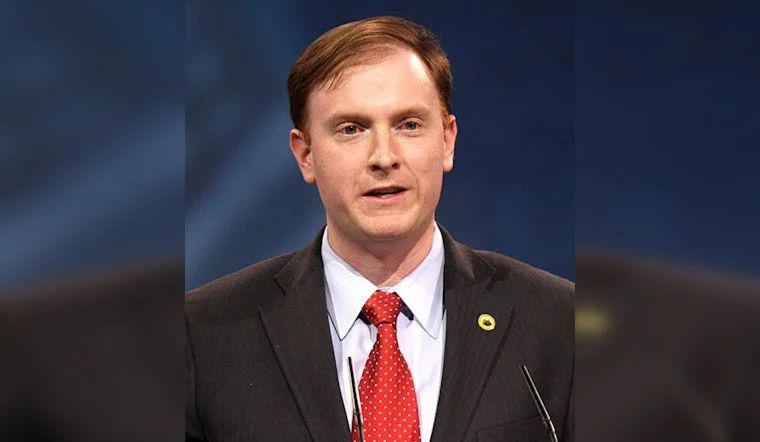
CHARLESTON, W.Va., May 30, 2026 — West Virginia Attorney General JB McCuskey is urging the U.S. Department of Energy to delay and rescind federal appliance efficiency regulations covering natural gas furnaces and commercial water heaters, arguing the rules would restrict consumer choice and raise costs for households and businesses.
McCuskey submitted a formal comment letter to Energy Secretary Chris Wright supporting a proposal to move compliance deadlines for the rules to Jan. 1, 2030. He also called on the department to revoke the regulations entirely.
The request targets Biden-era efficiency standards affecting certain non-condensing natural gas appliances. The debate has drawn attention from appliance manufacturers, energy-efficiency advocates, states and consumer groups because the standards could affect which gas-fired products remain available in the market.
“West Virginians should have a choice when it comes to the appliances for their homes,” McCuskey said.
Compliance Deadlines at Issue
According to the attorney general’s office, the current timeline would bar manufacturers from producing certain non-condensing natural gas commercial water heaters beginning in October 2026. Similar restrictions for residential furnaces would take effect in December 2028.
McCuskey said the rules could force homeowners to retrofit heating systems or buy alternative appliances. His office said more than 335,000 West Virginia households rely on natural gas for home heating.
- ✓ Agency involved: U.S. Department of Energy
- ✓ Appliances affected: Natural gas furnaces and commercial water heaters
- ✓ Requested delay: Jan. 1, 2030
- ✓ Current commercial water heater timeline: October 2026
- ✓ Current residential furnace timeline: December 2028
“Households will be forced to take on costly and unneeded renovations to comply,” McCuskey said. “They could even be faced with abandoning the natural gas appliances that they rely on and can afford.”
More Read

Multistate Challenge Continues
McCuskey also has joined a 21-state coalition challenging the regulations before the U.S. Supreme Court. The coalition is appealing a November ruling by the U.S. Court of Appeals for the D.C. Circuit that upheld the federal standards.
The states argue that federal regulators exceeded their authority by setting efficiency standards that effectively remove certain products from the marketplace. The Department of Energy has said its appliance standards are intended to reduce energy use and consumer operating costs.
The case is part of a broader national dispute over appliance efficiency policy, energy costs and the role of federal regulators in shaping product availability. Gas appliances have been a recurring focus of state and federal policy fights, particularly where efficiency requirements intersect with installation costs and building infrastructure.
Industry Implications
For appliance makers and distributors, a delay to 2030 would extend the runway for affected product lines and give manufacturers more time to adjust compliance, inventory and sales planning. A full repeal would remove the pending federal restrictions cited by the states.
For retailers, contractors and service providers, the outcome could influence product availability for replacement installations in homes and commercial buildings that currently use venting or mechanical systems designed around non-condensing equipment.
The Department of Energy’s final decision on the proposed delay, and any action on the broader repeal request, could determine how quickly affected appliance categories move toward higher-efficiency condensing technology or remain available under existing product configurations.
The efficiency-standards fight is unfolding alongside separate DOE action on rebates: the department has also narrowed eligibility for federal appliance rebates tied to gas-to-electric upgrades.