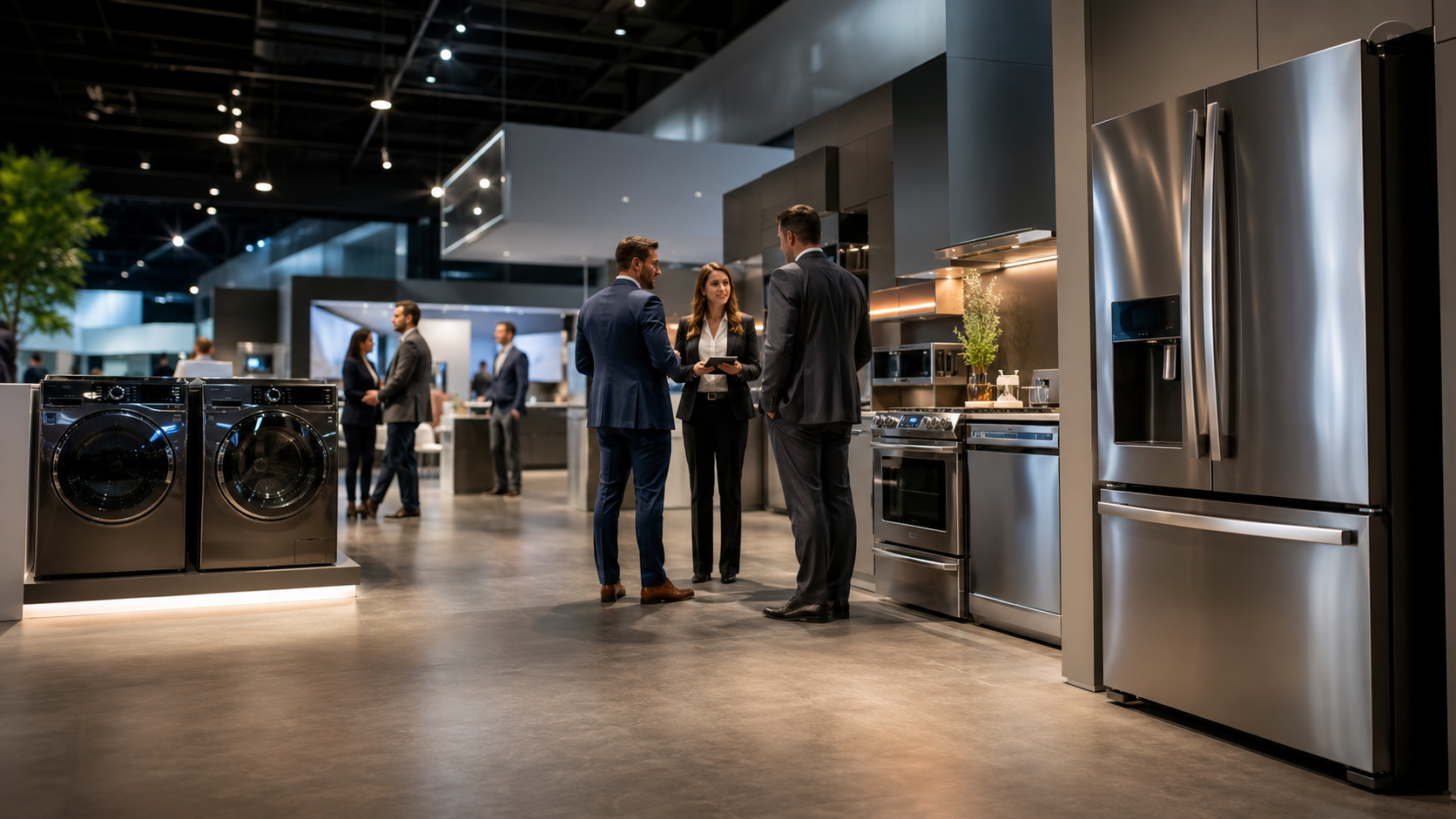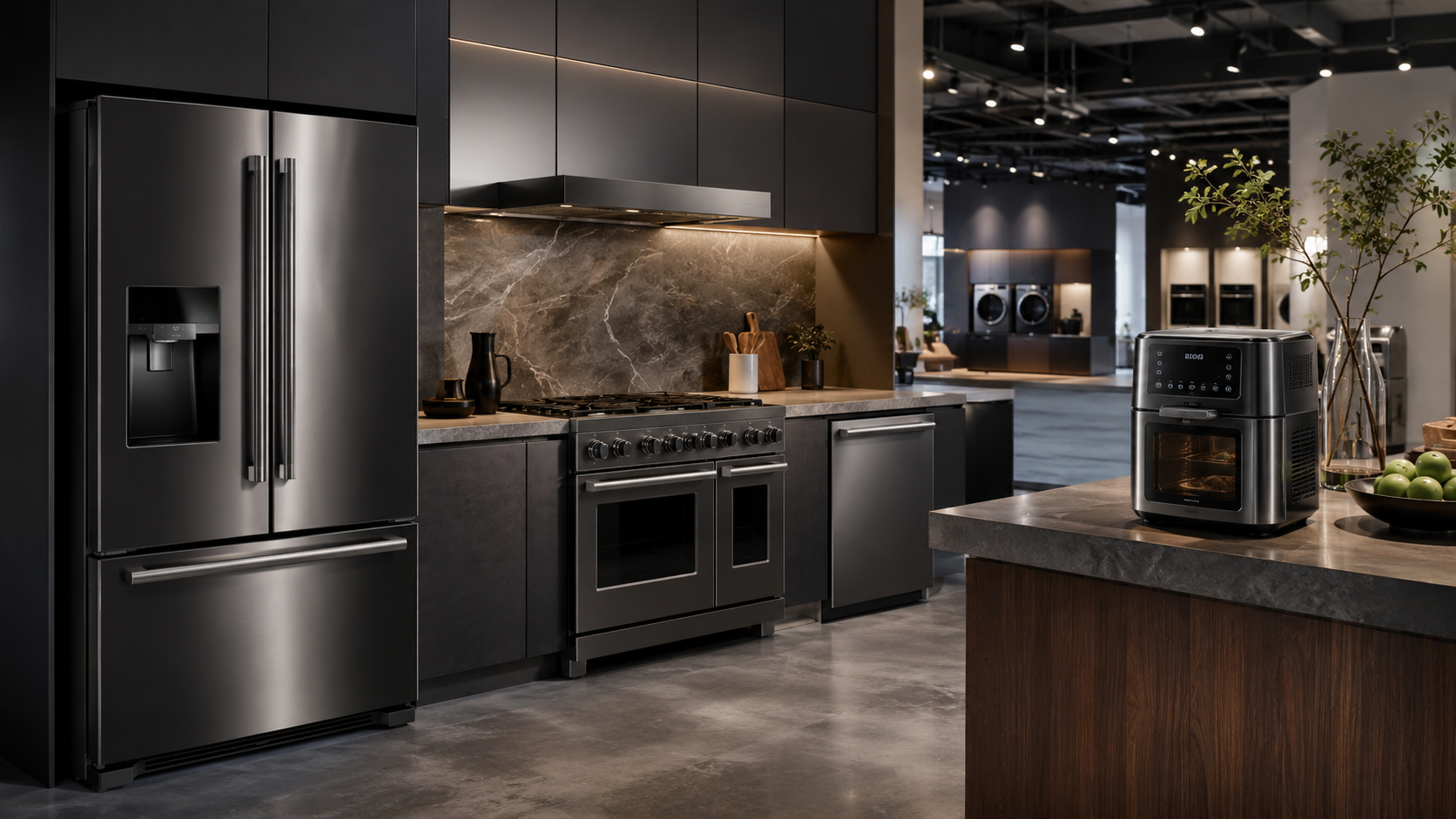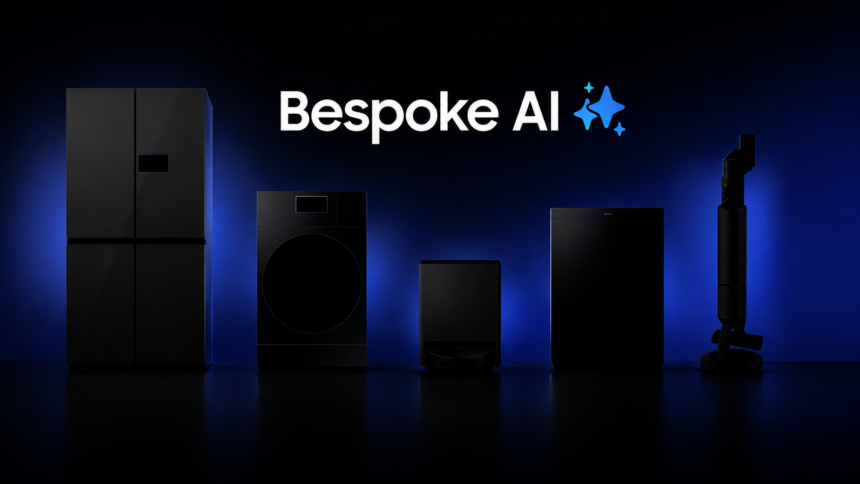
Samsung is pushing artificial intelligence deeper into the kitchen and laundry room, turning refrigerators, ovens and connected appliances into a new test of how much smart-home technology consumers actually want in everyday machines. For appliance dealers and servicers, the company’s 2026 Bespoke AI lineup is more than a product refresh. It is a sign that selling and supporting appliances increasingly means explaining cameras, voice assistants, apps, cloud features and software updates alongside capacity, finish and price.
Business Insider reported that Samsung is rolling out AI features that can recognize food in a refrigerator, suggest recipes based on what is available and add missing ingredients to an Instacart shopping list. The features are tied to Samsung’s AI Vision technology and its Bespoke AI Family Hub refrigerator, with more advanced food-recognition improvements expected to roll out in May, according to the report.
Samsung has also described a broader 2026 Bespoke AI appliance rollout that includes AI Home screens, Bixby voice features, SmartThings integration and connected kitchen tools designed to make appliances more personalized and automated. The company is framing the shift as a way to make appliances more useful in daily routines, not simply more connected.
“The goal is to create technology that fades into the background while making your day easier.”
Michael McDermott, executive vice president of consumer electronics at Samsung,
Why this matters
AI is quickly becoming one of the appliance industry’s most visible product battlegrounds. Manufacturers are trying to differentiate premium refrigerators, ranges, wall ovens, laundry pairs and connected home products at a time when many consumers remain cautious about large discretionary purchases.
For dealers, that changes the sales conversation. Customers may still ask about cubic feet, energy use, finish, noise, delivery and installation, but AI features add new questions: What does the appliance recognize? Does it need Wi-Fi? Which app controls it? What happens when the software changes? How useful is the feature after the novelty wears off?
For servicers, the implications may be even larger. A refrigerator with cameras, account-based personalization and cloud-connected grocery tools can create service calls that are not strictly mechanical. Troubleshooting may involve firmware, app permissions, network connectivity, user profiles and customer expectations about features that depend on outside platforms.
More Read

What Samsung is adding
Samsung’s AI Vision features are designed to identify items inside compatible refrigerators and display that information through the company’s connected ecosystem. Business Insider reported that the updated refrigerator can identify specific foods and products, including packaged items, using a large language model and show those items in a companion app.
The company is also using AI to connect food management with meal planning and shopping. In Samsung’s pitch, the refrigerator is no longer just a cold-storage product. It becomes a kitchen assistant that can track ingredients, suggest recipes and help build a grocery list.
Samsung’s AI-powered oven features a camera that can recognize dishes placed inside and recommend cooking time, according to Business Insider. The same oven can also record video, a feature aimed partly at consumers who create cooking content or want to watch food as it cooks.
The company is also expanding voice and identity tools through Bixby. Samsung has promoted voice features that can recognize different users and personalize reminders, calendars and other connected functions based on who is speaking.
The SmartThings and IKEA angle
Samsung’s connected-appliance strategy also depends on SmartThings. In May, Samsung announced a collaboration with IKEA that allows users to control IKEA smart lighting products through the SmartThings app and connect IKEA products with Samsung TVs, smartphones, tablets, appliances and other compatible devices.
That type of integration matters because appliance AI is becoming less about a single feature on a single product and more about how well the product fits into a household ecosystem. A refrigerator screen, oven camera or voice assistant becomes more valuable if it works with lighting, phones, televisions, routines and other smart-home devices.
For dealers, that creates both an opportunity and a burden. Connected ecosystems can help sell premium packages, but they also require more explanation on the floor and more expectation-setting after delivery.
The industry impact
Samsung is not alone. LG has also leaned into AI appliances, positioning connected features as tools that learn habits and automate everyday tasks. The competitive direction is clear: major appliance brands are trying to make AI a premium differentiator, especially in categories where design, finish and capacity have become harder to separate.
The challenge is that AI appliances are expensive. Business Insider reported that Samsung’s AI-powered refrigerator starts at $2,799 and the smart range starts at $1,349. In a value-sensitive market, dealers will need to show customers why the added technology is useful enough to justify the price.
That may be easier for some households than others. A busy family may value grocery tracking and recipe suggestions. A tech-forward customer may want voice control and app visibility. Another shopper may see cameras and AI features as unnecessary complexity on a product they primarily expect to cool food reliably for years.
- Dealers need clear demos that show practical benefits, not just buzzwords.
- Servicers should prepare for more software, connectivity and app-related troubleshooting.
- Manufacturers will need to support AI features for years if they want customers to trust premium connected appliances.
- Consumers may weigh convenience against cost, privacy concerns and long-term reliability.
The service and support question
The more appliances behave like connected devices, the more the industry has to support them like connected devices. That means clear setup instructions, durable software support, stable app experiences and service channels that can distinguish between a hardware failure, a software issue and a customer training problem.
Parts availability will still matter. Compressors, fans, control boards, igniters and sensors will still fail. But a growing share of customer frustration may come from features that do not sync, recognize, recommend or respond the way buyers expected when they saw the product demo.
That makes technician training and retailer education critical. If AI becomes a selling point, the industry also has to build the service literacy to support it after the sale.
What comes next
Samsung’s next test is whether these AI features become everyday utilities or premium features that only a narrow group of shoppers use regularly. Food recognition, automated shopping lists, recipe suggestions and personalized voice control all have obvious appeal, but they also have to be accurate, simple and reliable.
For appliance dealers, the practical move is to treat AI as part of the product, not a side feature. Sales teams should know which functions work locally, which require an app or cloud account, which depend on third-party services and what customers should expect after delivery.
The bigger industry signal is that the connected kitchen is moving from novelty to mainstream product strategy. Samsung’s push suggests the next appliance competition will not only be about who builds the best refrigerator or oven, but who can make the connected experience useful enough to survive the realities of daily home life.