Appliance shoppers paid more in the latest J.D. Power satisfaction study, but they also came away happier with both the products and the buying experience. That is the tension manufacturers and retailers should study: higher prices did not automatically translate into lower satisfaction when availability, durability and store execution improved.
The 2026 U.S. Appliance Satisfaction Study, released July 15, found that the average price paid for appliances rose $54 to $910. Overall satisfaction reached 705 on a 1,000-point scale, up six points from 2025. Satisfaction with appliance retailers rose even more sharply, climbing 23 points to 706 from 683 a year earlier.
J.D. Power said the 2026 study is based on 28,411 evaluations from customers who bought home appliances during the previous 12 months. The study was fielded from April 2025 through April 2026 and covers 12 segments: 11 appliance categories plus appliance retailers.
Higher Prices Did Not Break Satisfaction
A $910 average purchase price is not a small consumer expense, especially in categories where delivery, installation, haul-away, accessories or extended protection can add to the bill. Yet the 2026 results suggest shoppers may tolerate a higher price when the ownership experience feels less risky.
The study points to two practical reasons. First, product satisfaction rose six points to 705, helped largely by an eight-point improvement in appliance durability. Second, retailers appear to have reduced friction in the purchase path. J.D. Power said 87% of customers reported a problem-free appliance retailer shopping experience, a five-percentage-point improvement from the previous year.
That matters because the appliance sale is rarely just a checkout event. A major appliance purchase often includes urgency, measurement, availability checks, delivery windows, installation coordination, old-unit removal and concern about whether the product will last. If retailers improve those basics, satisfaction can rise even when the invoice is higher.
More Read
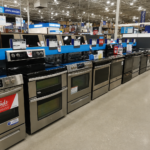
A Rebound From Last Year’s Technology Friction
The 2026 improvement follows a more difficult 2025 study. Last year, J.D. Power reported that overall appliance satisfaction had fallen to 699 from 710, while satisfaction with durability, features and settings, and ease of use all declined. The 2025 release also warned that Wi-Fi-connected appliances were associated with more reported problems and that younger buyers expected a more intuitive user experience.
The 2026 findings do not mean connected features, premium controls or advanced cycles have stopped creating friction. They suggest the industry may be getting better at delivering a value story around them, or at least offsetting feature complexity with better durability, availability and retail execution.
For manufacturers, the lesson is not simply to add more features. Premium features need to be understandable, reliable and connected to benefits consumers recognize: quieter operation, better cleaning or drying, energy savings, easier maintenance, better food preservation, faster cycles or stronger warranty confidence.
Which Brands Ranked Highest
J.D. Power’s 2026 segment rankings show a competitive field rather than one brand sweeping the appliance market. Samsung ranked highest in French door refrigerators, side-by-side refrigerators, top-mount freezer refrigerators, over-the-range microwaves and clothes dryers. LG ranked highest in ranges, wall ovens and top-load washers. Whirlpool ranked highest in cooktops, Maytag ranked highest in front-load washers, and KitchenAid tied with Samsung for dishwashers.
- Cooking: Whirlpool led cooktops, while LG led ranges and wall ovens.
- Dishwashers: KitchenAid and Samsung tied for the top score, with Bosch third.
- Refrigeration: Samsung led French door, side-by-side and top-mount freezer refrigerator segments.
- Laundry: Maytag led front-load washers, LG led top-load washers and Samsung led clothes dryers.
- Retailers: Best Buy ranked highest, followed by Costco and The Home Depot.
For consumers, those rankings are useful but should not replace category-level research. A brand that scores well in one segment may not lead in another, and satisfaction studies measure owner experience by segment rather than every model on the sales floor.
Retailers Gained Ground Where It Counts
The retailer result may be the most important trade signal in the report. Best Buy ranked highest among appliance retailers with a score of 726, followed by Costco at 718 and The Home Depot at 714. More broadly, J.D. Power attributed the retailer satisfaction gain to better product availability and execution, along with fewer shopping problems.
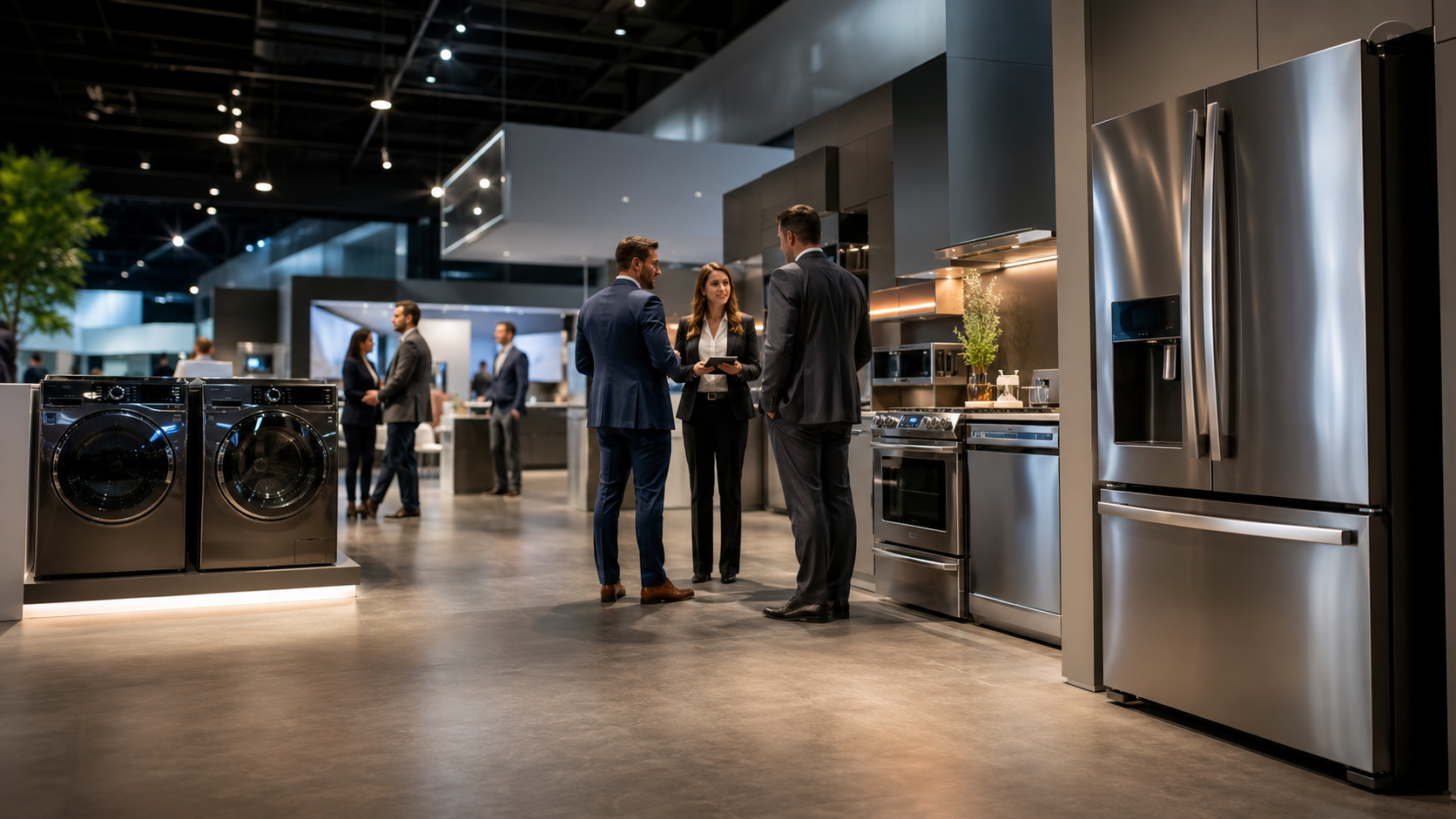
That is a direct message to appliance dealers, national chains and home-improvement retailers. Consumers are not judging the experience only by the displayed price. They are judging whether the right product is in stock, whether staff can explain tradeoffs, whether delivery is predictable, whether installation goes smoothly and whether problems are resolved without repeated calls.
The result also fits J.D. Power’s 2024 appliance finding that buyers motivated mainly by low price were less satisfied and less loyal than buyers motivated by long-term benefits such as energy savings or product guarantees. In other words, value is broader than a sale tag. It includes confidence that the product will fit the home, perform as expected and avoid early ownership headaches.
What the Results Suggest for the Trade
For manufacturers, the 2026 study supports a premium-product argument only when the premium feels earned. Consumers may accept higher prices when they see durability, useful technology, energy benefits and fewer problems. They are less likely to reward complexity for its own sake.
For retailers, the opportunity is to make premium features legible. Sales teams should be ready to explain why an inverter compressor, heat-pump dryer, third rack, induction surface, smart diagnostic feature or specialty cycle matters in daily use. They also need to be honest about fit, installation requirements, maintenance and service realities.
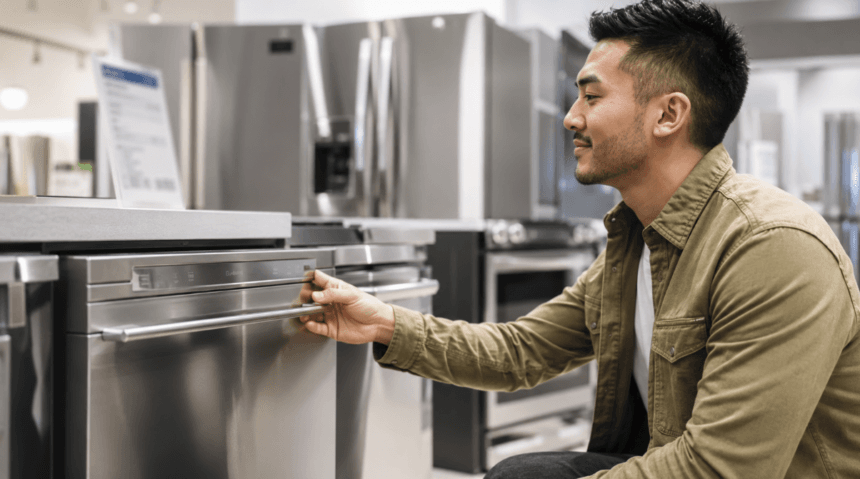
For consumers, the practical takeaway is to shop beyond the monthly promotion. Compare reliability expectations, warranty terms, delivery and installation policies, return rules, parts and service access, and whether the features being sold are features the household will actually use.
The headline is counterintuitive, but the underlying message is not. Appliance buyers are paying more and reporting higher satisfaction because the total experience appears to be improving. The next test is whether brands and retailers can keep that confidence if prices remain high.