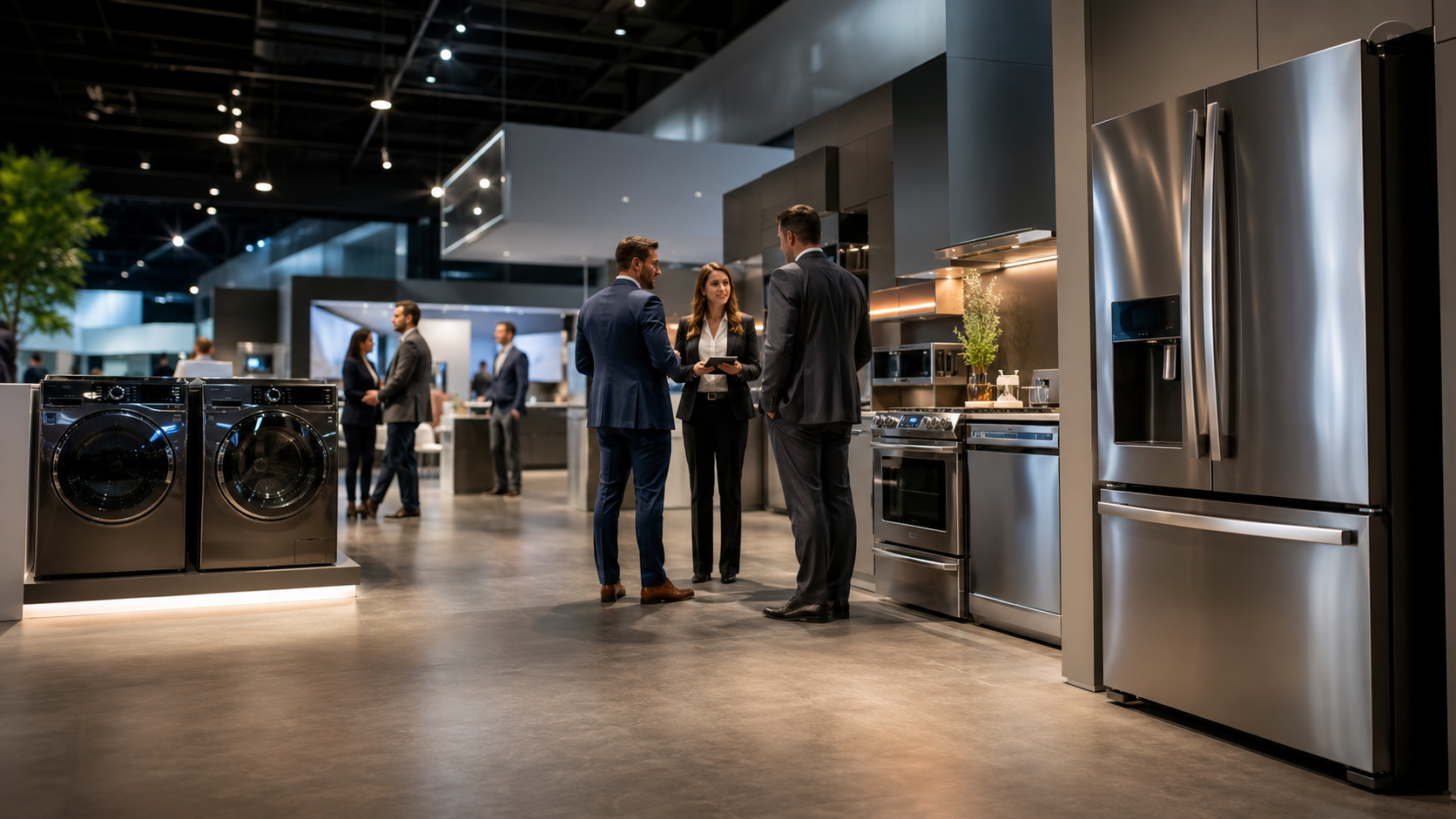
Samsung Electronics is weighing a sharper split between premium appliances it wants to define in-house and lower-margin products that may be better suited to outside manufacturing, according to Korean business reports. The company has not formally announced a full outsourcing plan, named ODM partners or confirmed that Chinese manufacturers will build specific Samsung-branded appliances.
Korea JoongAng Daily reported that Samsung has begun restructuring its home appliance business with a focus on outsourcing production for certain categories, including dishwashers and microwave ovens. Business Korea separately reported that the plan includes shutting down some home appliance production lines and shifting some products to outsourced production.
For the appliance industry, the story is not just about Samsung. It is about a broader reset in how global brands compete when consumers want lower prices, retailers want reliable supply and Chinese manufacturers can scale quickly across multiple product categories.
The badge and the factory may drift apart
Samsung remains one of the most visible appliance brands in U.S. and global retail, but the company’s next phase may put more distance between the badge on the product and the factory that builds some lower-margin models.
For retailers and distributors, that could affect assortment planning, promotional strategy and how midrange Samsung products are positioned against TCL, Hisense, Haier, Midea and private-label competitors. For servicers and warranty companies, the concern is more practical: parts traceability, product consistency and service documentation.
Outsourced production is not unusual in appliances or consumer electronics. But it can complicate repair networks if product platforms, component suppliers or regional builds vary more widely under the same brand family.
More Read
Pressure starts with low-margin products
The reported restructuring comes after a difficult stretch for Samsung’s TV and home appliance businesses. Reuters reported in May that Samsung said it would discontinue sales of some consumer electronics products in mainland China amid intensifying local competition. Reuters also reported that Samsung’s TV and home appliance businesses posted losses of 200 billion won, about $138.31 million, last year.
Samsung’s China decision followed years of pressure from domestic brands that compete aggressively on price and increasingly on product quality. That same pressure is visible outside China, especially in TVs and value-focused appliance categories where scale and cost structure matter.
Korean reports have cited dishwashers and microwave ovens as categories under review. Those are different businesses from premium refrigerators, ranges or laundry products, where Samsung has invested heavily in design, AI features and connected-home positioning.
Bespoke AI is the premium counterweight
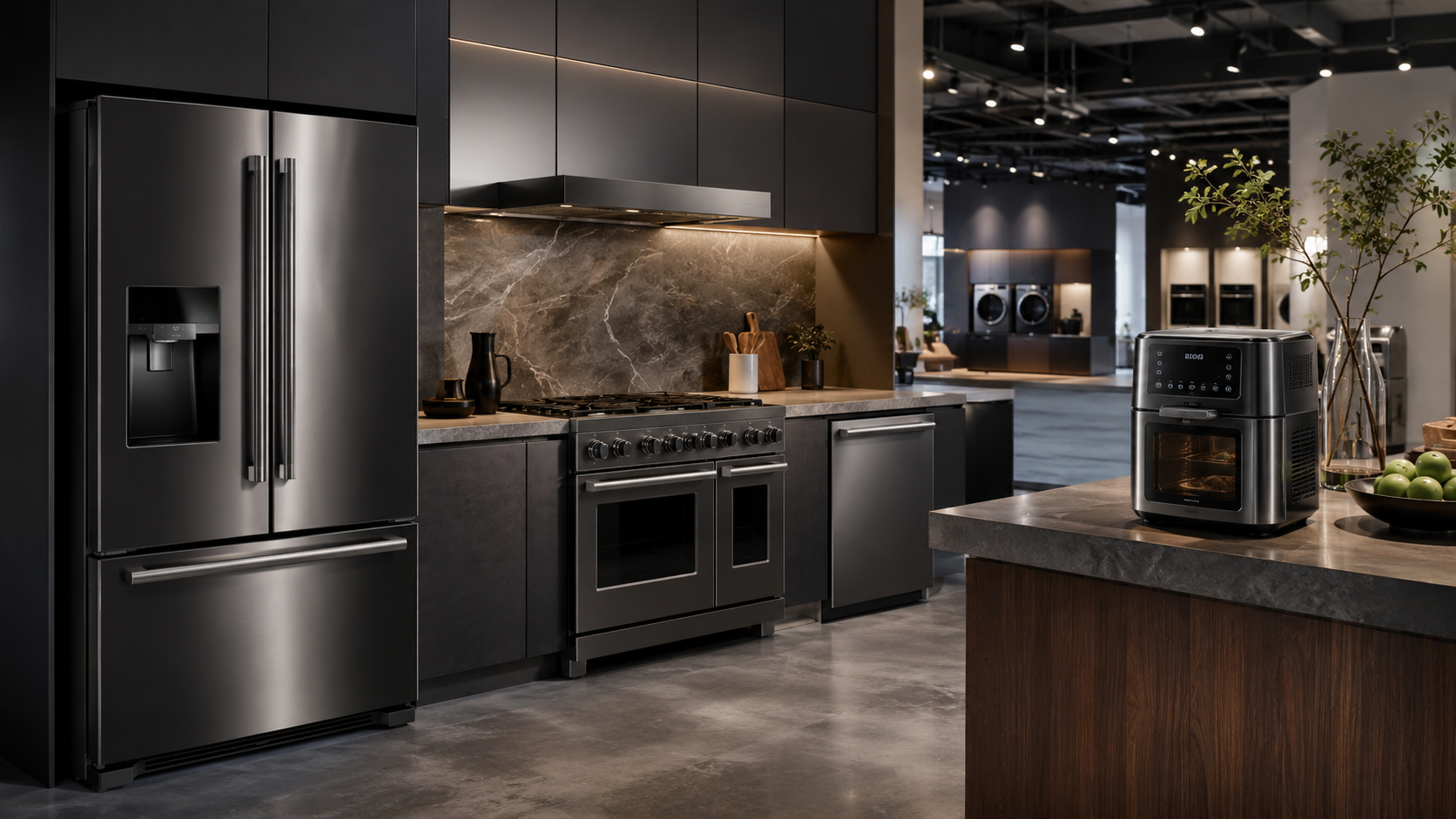
Samsung’s likely counterweight is Bespoke AI. The company has continued to push premium refrigerators, ranges, laundry products and connected-home features as the future-facing side of its appliance business.
In April, Samsung Electronics America said its 2026 Bespoke AI kitchen appliances were available at select U.S. retailers and on Samsung.com, including 3-door French door refrigerators with Zero Clearance Fit and Bespoke smart slide-in ranges.
Samsung also announced a 2026 Bespoke AI Laundry Combo with faster wash-to-dry performance, upgraded AI Wash & Dry+ functions and expanded Bixby voice controls. The company said that laundry lineup would roll out in select markets throughout 2026, with more affordable model options planned in some regions.
That creates a two-track strategy: premium appliances built around design, AI features, connectivity and higher price points; and lower-margin products where cost structure may matter more than factory control. The unresolved question is how far Samsung is willing to go in separating brand ownership from manufacturing control.
- For retailers: Midrange Samsung appliances may need closer model-by-model scrutiny if sourcing becomes more varied.
- For servicers: Platform differences could matter more for diagnostics, parts and warranty workflows.
- For manufacturers: Samsung’s review would reinforce that even global leaders are under pressure to rethink low-margin appliance production.
- For consumers: The Samsung badge may remain familiar, but product origin, component sourcing and repair experience could become more important buying questions.
Outsourcing can protect margin — or erode trust
Legacy electronics brands have increasingly looked to partnerships and manufacturing scale to protect brand equity while managing cost pressure. The same logic can apply in appliances, especially in categories where shoppers compare price quickly and retailers use promotions aggressively.
The risk is brand dilution. Appliance buyers expect a refrigerator, washer, dishwasher or microwave to last years, not seasons. If outsourced models vary too widely in reliability, parts availability or service procedures, any short-term margin benefit could become a long-term ownership-cost problem for customers and a brand-trust problem for Samsung.
The next signals to watch are Samsung’s partner list, affected categories and regional rollout. Dishwashers and microwaves have been cited in Korean reports, but Samsung has not published a comprehensive product-by-product plan. It also has not said whether any future ODM suppliers would be based in China, Vietnam or another manufacturing hub.
For now, the safest reading is that Samsung is under pressure to defend profitability in lower-margin appliance categories while doubling down on Bespoke AI as the premium face of the brand. That does not mean Samsung is leaving appliances. It means the company may be deciding which parts of the appliance business are worth building itself — and which are better managed through partners.