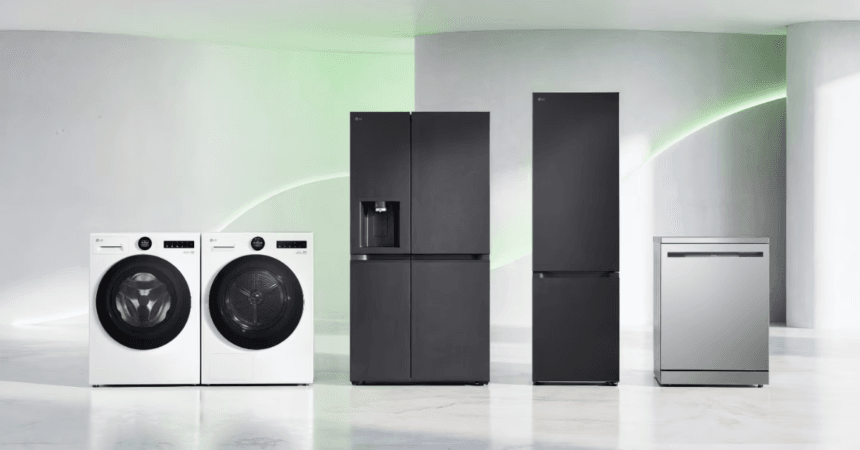
For all the talk of artificial intelligence at appliance shows, one of the harder problems in a kitchen remains stubbornly physical: the refrigerator still has to fit between the cabinets, the washer cannot block the door, and a dishwasher that protrudes a few centimeters can spoil an otherwise flush run of cabinetry.
LG Electronics is making that mundane constraint a centerpiece of its IFA 2026 appliance lineup. The company is expanding its Fit & Max design strategy from refrigerators into washing machines, dryers and dishwashers, promising more usable capacity and tighter installation without simply making the boxes larger.
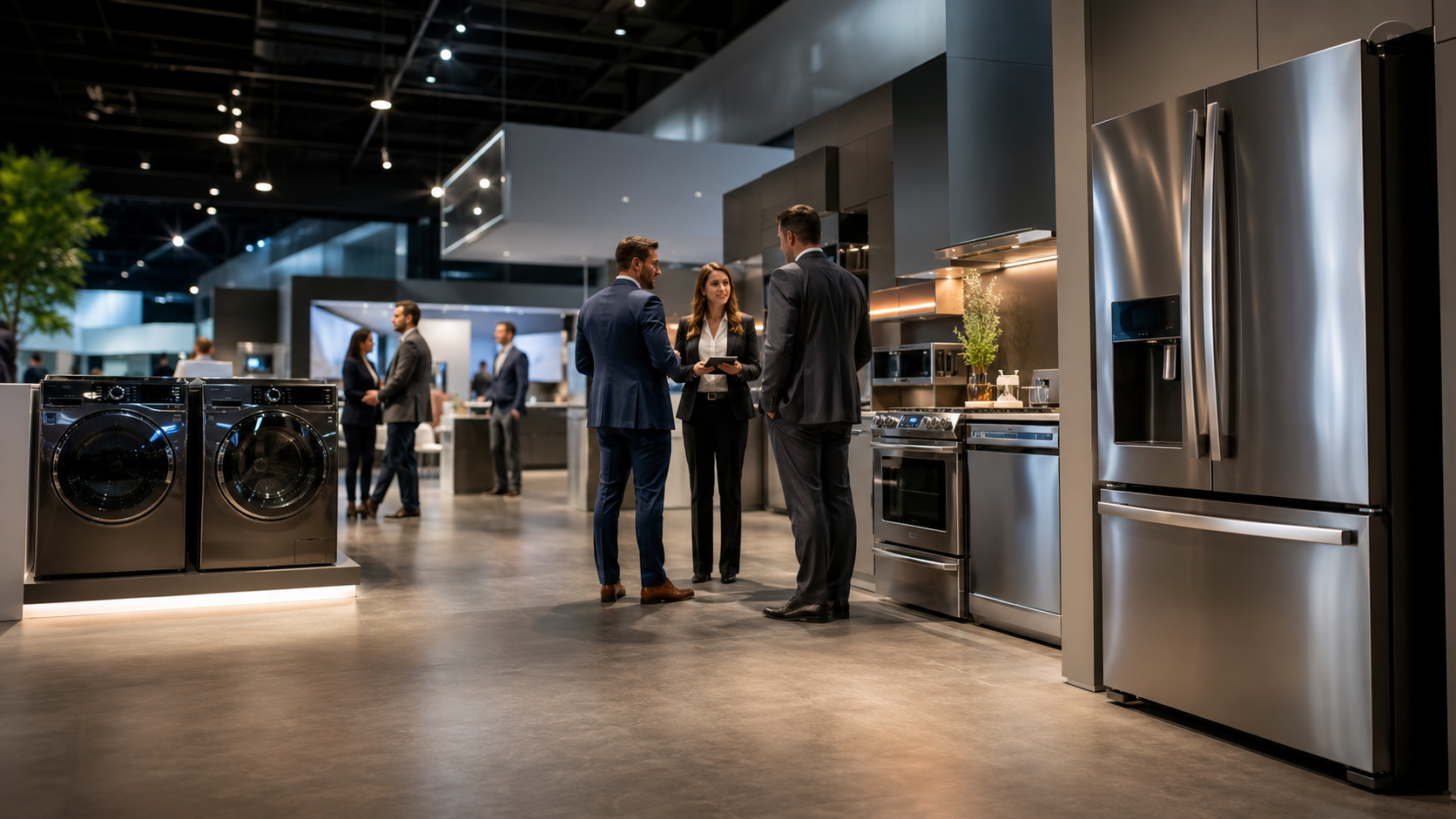
The products will be shown at IFA in Berlin from Sept. 4 through Sept. 8. The show’s home-appliance halls bring LG into direct competition with Bosch, Siemens, Miele, Electrolux, Midea, Haier, Liebherr and others, many of which are chasing the same combination of efficiency, automation and better use of household space.
More Drum, Same Cabinet
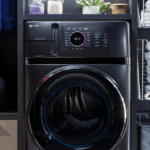
The most concrete claim in LG’s Fit & Max announcement concerns laundry capacity. The company says an updated internal structure and Direct Drive motor control let it enlarge the drum without enlarging the exterior dimensions.
LG says the new design adds 3 kilograms of capacity compared with one earlier 600-millimeter-deep model and 2 kilograms compared with a previous 550-millimeter-deep machine. Capacity varies by model, and LG has not yet supplied a complete U.S. equivalent lineup, but the engineering direction is straightforward: reclaim space from inside the appliance instead of taking more of it from the room.
That matters most in replacement purchases. Consumers rarely get to redesign a doorway, counter depth or laundry closet around a new appliance. Retailers routinely have to sell not merely the machine a customer wants, but the machine that can physically make it into the house and operate once it is there.
More Read
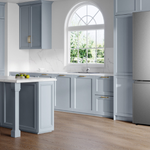
The new washers and dryers use flatter exterior designs and slide-in installation intended to align more closely with adjacent cabinetry. AI Wash and AI Dry detect load characteristics and adjust settings automatically, but those software features sit on top of a decidedly mechanical selling point: a larger usable drum in a familiar footprint.
The Dishwasher Race Is About Time as Well as Space
LG is applying the same flush-fit idea to dishwashers, where door depth, handle projection and surrounding panels determine whether a machine looks integrated or tacked onto the cabinetry. Its new models add a one-hour Wash & Dry setting and AI SenseClean, which detects soil conditions and adjusts the cycle.
The one-hour label deserves a footnote. LG says the setting is based on an algorithm and that actual completion time can vary with conditions and selected options. That qualification gets at a long-running dishwasher tension: consumers want shorter cycles, while tighter energy and water use can push machines toward longer ones.
In a separate IFA efficiency announcement, LG says nearly its entire new European dishwasher range earns an A energy grade. Some models use Hybrid Air Dry, and AI SenseClean can adjust temperature and time using as many as 32 variables, according to the company.
Those are European energy-label claims, not U.S. ENERGY STAR ratings. The distinction matters because efficiency labels are not interchangeable across markets, even when the underlying machine looks similar.
A Refrigerator Door Can Be a Space Problem of Its Own
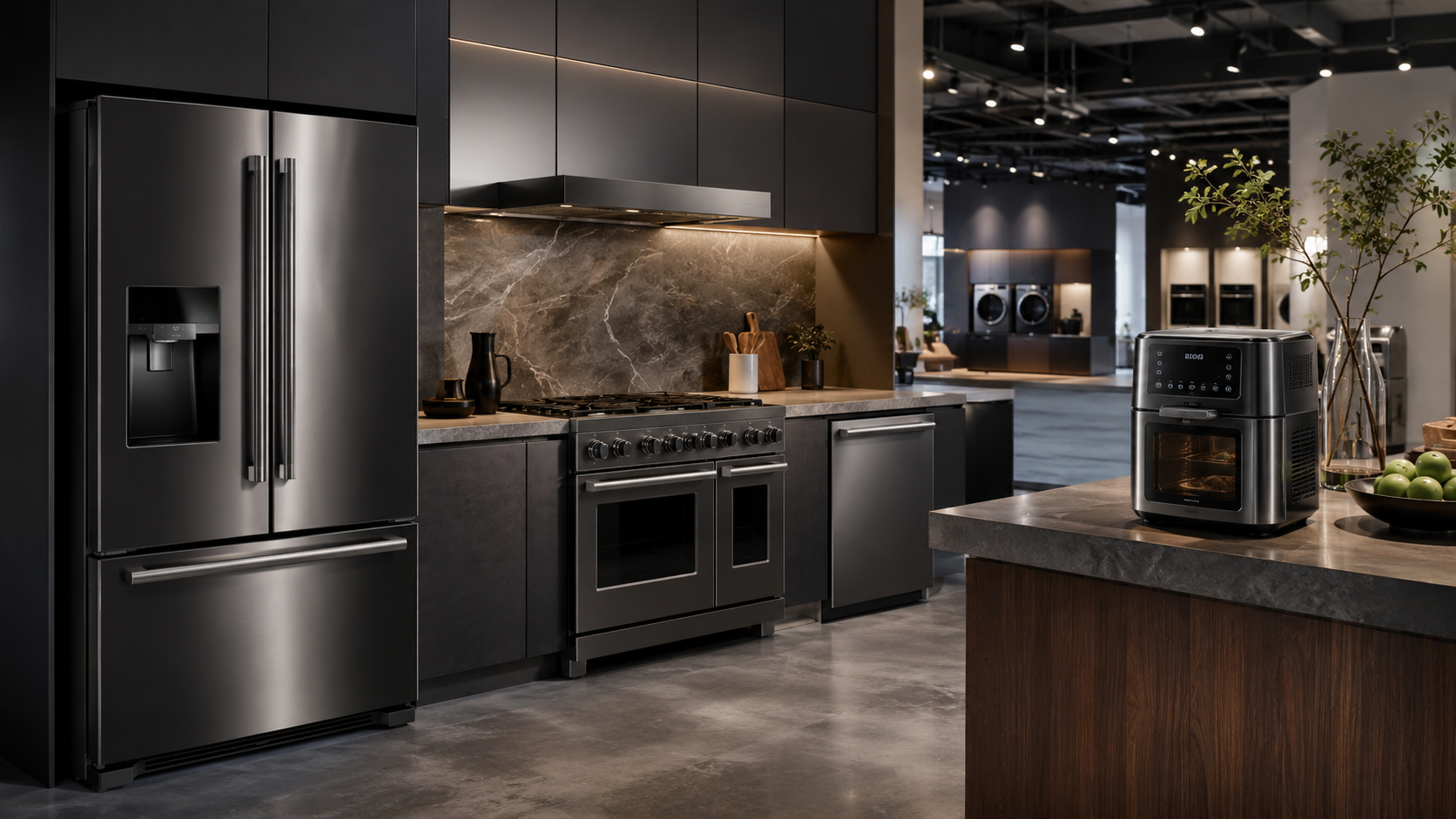
Fit & Max began with refrigerators, where exterior dimensions tell only part of the installation story. A refrigerator can fit perfectly into an opening and still require extra side clearance for its doors to swing wide enough to pull out drawers and shelves.
LG’s latest versions combine thinner doors, flat exterior surfaces and what the company calls Zero Clearance installation, intended to let the refrigerator sit closer to a wall or cabinetry while retaining usable door movement. Inside, adjustable-temperature zones and AI Fresh add the now-familiar layer of sensors and software; LG says AI Fresh learns usage patterns over three weeks and adjusts cooling operation.
The strategy builds on a refrigerator business in which design features have already proved commercially durable. Appliance News reported this month that LG’s InstaView refrigerator platform surpassed 5.3 million global sales after a decade, evidence that a conspicuous design idea can survive well beyond its trade-show debut.
LG Wants High Efficiency to Move Downmarket
The other important part of LG’s IFA pitch is that efficiency technology is moving beyond flagship products. The company says a flagship washer exceeds the European A-grade threshold by as much as 70%, while a washer-dryer’s wash-only cycle exceeds the threshold by as much as 30% and its full wash-and-dry cycle by as much as 10%.
A new “mass-premium” dryer is due later in 2026, according to LG. That phrasing points to the commercial challenge facing appliance makers: advanced motors, heat-pump systems, sensors and control software matter much more to energy use if they migrate into models sold in volume rather than remaining showcase features on the most expensive machines.
LG has not yet given a complete U.S. model list, U.S. prices or availability for the Fit & Max appliances it is highlighting in Berlin. For American buyers, that makes IFA a preview rather than a shopping list.
What to Watch After IFA
The most useful numbers after the show will not be the number of AI features. They will be cabinet dimensions, required clearances, usable capacity, cycle times, energy consumption, prices and the markets in which each model will actually be sold.
Those specifications will determine whether Fit & Max is mostly a European design language or something that can alter U.S. appliance installation as well. American refrigerators and laundry machines are often larger than their European counterparts, but American homes have their own hard boundaries: 30-inch doorways, fixed countertops, shallow laundry closets and kitchens built around the dimensions of the appliance being replaced.
That is why LG’s least glamorous IFA idea may be its most broadly useful one. Software can change after an appliance is installed. The hole in the kitchen usually cannot.