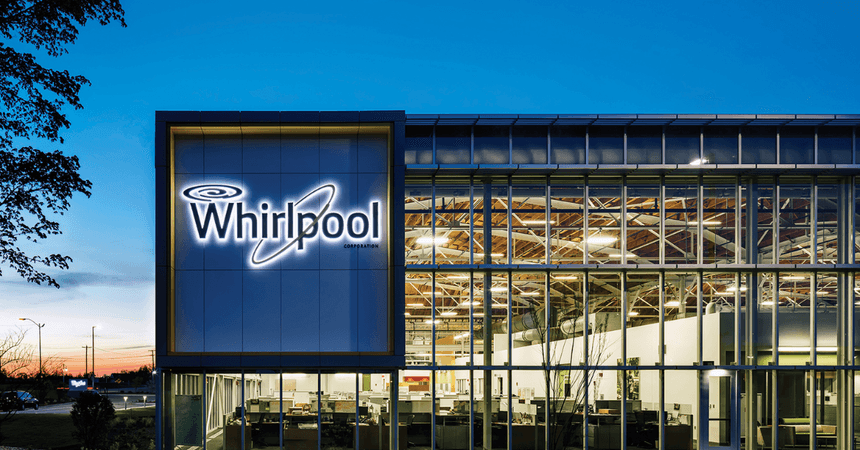
Whirlpool is preparing a 7% U.S. price increase for major appliances in the fourth quarter after a weaker third quarter in North America, adding another pricing move to a market where consumers are already delaying some purchases and trading down.
The company disclosed the 7% increase in its third-quarter results. On Whirlpool’s Oct. 27 earnings call, executives said the increase is scheduled to take effect Dec. 3 in the United States, while a comparable increase takes effect Nov. 1 in Canada. The company said trade partners receive 90 days’ notice on promotional pricing.
The timing puts the U.S. change just after the core Black Friday promotional period, giving retailers a short window to manage holiday inventory, advertised pricing and orders before the new pricing takes effect.
North American Sales Fall 8.3%
Whirlpool’s Major Domestic Appliances North America segment reported third-quarter net sales of $2.495 billion, down 8.3% from a year earlier. The company said industry demand declined 3.3% during the quarter.
Whirlpool reported a quarterly net loss of $21 million, or 38 cents per diluted share. Its Form 10-Q also shows the pressure from tariffs and restructuring as the company works through a difficult demand environment.
The results close the loop on Appliance News’ October earnings preview, which identified pricing, tariffs and replacement demand as key issues to watch.
More Read

The Dec. 3 Date Matters for Dealers
A list-price or minimum-advertised-price change does not mean every Whirlpool appliance will become exactly 7% more expensive at retail. Final shelf prices depend on model mix, retailer promotions, inventory already in the channel and competitive responses.
But the announced increase gives dealers a concrete planning date. Orders placed and inventory carried before Dec. 3 may sit under a different cost and promotional structure than replenishment after the change. That makes inventory turns and holiday sell-through unusually important over the next five weeks.
Whirlpool also told investors that competitors’ average pricing has increased meaningfully since the beginning of 2026. That suggests the company is not acting in isolation, although competitor pricing varies by brand and category.
Weak Demand Is Extending the Repair-or-Replace Decision
Whirlpool executives said some consumers are postponing appliance purchases by repairing existing products rather than replacing them. For service companies, that can support demand for repairs on older machines even while unit sales remain soft.
For consumers, the calculation is less simple. A higher replacement price can make a repair more attractive, but the answer still depends on the appliance’s age, the cost and availability of parts, the repair estimate and the likelihood of another major failure.
The price increase also arrives while Whirlpool’s dividend remains suspended, a move the company announced earlier this year as it focused on cash generation and debt reduction. Appliance News previously examined the pressure behind the dividend decision.
What to Watch Before Dec. 3
The next question is how much of Whirlpool’s announced increase reaches consumers after promotions and retailer competition. Holiday discounting can obscure list-price changes in the short term, and retailers may use existing inventory to preserve advertised deals.
For dealers, the practical dates are clearer: Canada on Nov. 1 and the United States on Dec. 3. For the broader appliance market, the test will be whether higher pricing offsets cost pressure without further weakening replacement demand.