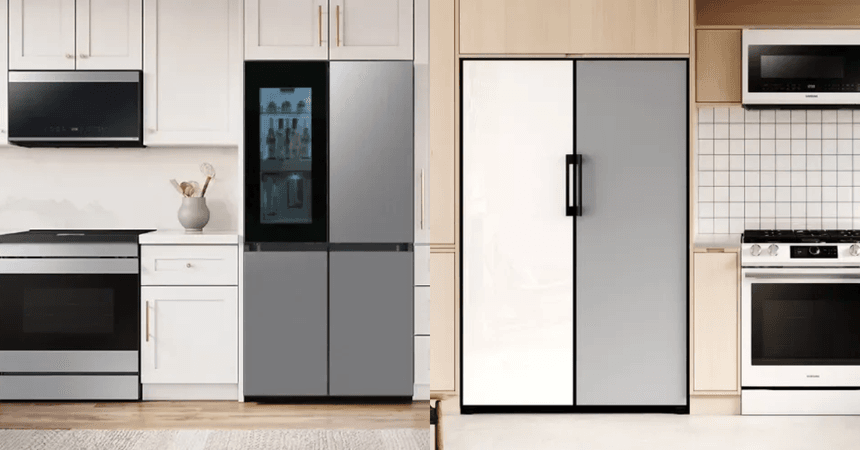
Samsung and LG are both selling smarter appliances, but their smart-home strategies are starting to look different in ways that matter for refrigerator, laundry and kitchen buyers.
The Korea Herald reported from IFA 2026 that the companies are pushing AI home systems beyond individual appliance features. Samsung is leaning on SmartThings and its broader device ecosystem, while LG is pairing ThinQ with the Homey smart-home platform and its ThinQ Claw AI agent concept.
Samsung’s SmartThings-Centered Approach
Samsung’s SmartThings page presents the platform as a way to connect, control and automate a smart home from one app, including refrigerators, washers, dryers and other appliances. The strategy is strongest for owners who already have Samsung phones, TVs, appliances and Galaxy devices in the same household.
The benefit is integration. SmartThings can make Samsung appliances feel like part of a larger Samsung home. The risk is that a household with mixed brands may not get the same depth of features across every device, even if basic Matter or third-party integrations work.
LG’s Cross-Brand Ambition
LG’s public ThinQ messaging emphasizes a connected app experience, while The Verge previously reported that LG’s acquisition of the company behind Homey gave it a path toward broader third-party smart-home control. That matters because many homes already contain a mix of appliance, lighting, security, thermostat and entertainment brands.
If LG can make ThinQ and Homey work well together, it may offer a more flexible path for owners who do not want every connected device to come from one manufacturer. The practical test will be whether advanced appliance features remain available in cross-brand setups or only inside LG’s own app.
More Read
Which Approach Ages Better?
For appliance owners, the best strategy is the one that keeps working as the home changes. A refrigerator may stay in place through several phone upgrades, router changes and app redesigns. A washer may outlast a smart speaker or hub. The system has to tolerate that churn.
Samsung’s approach may appeal to owners who value a polished, tightly integrated ecosystem. LG’s approach may appeal to owners who want broader compatibility. Neither wins automatically; the winner for consumers will be the one that supports appliances for years, keeps service and privacy settings understandable and does not turn basic appliance ownership into an app-management job.