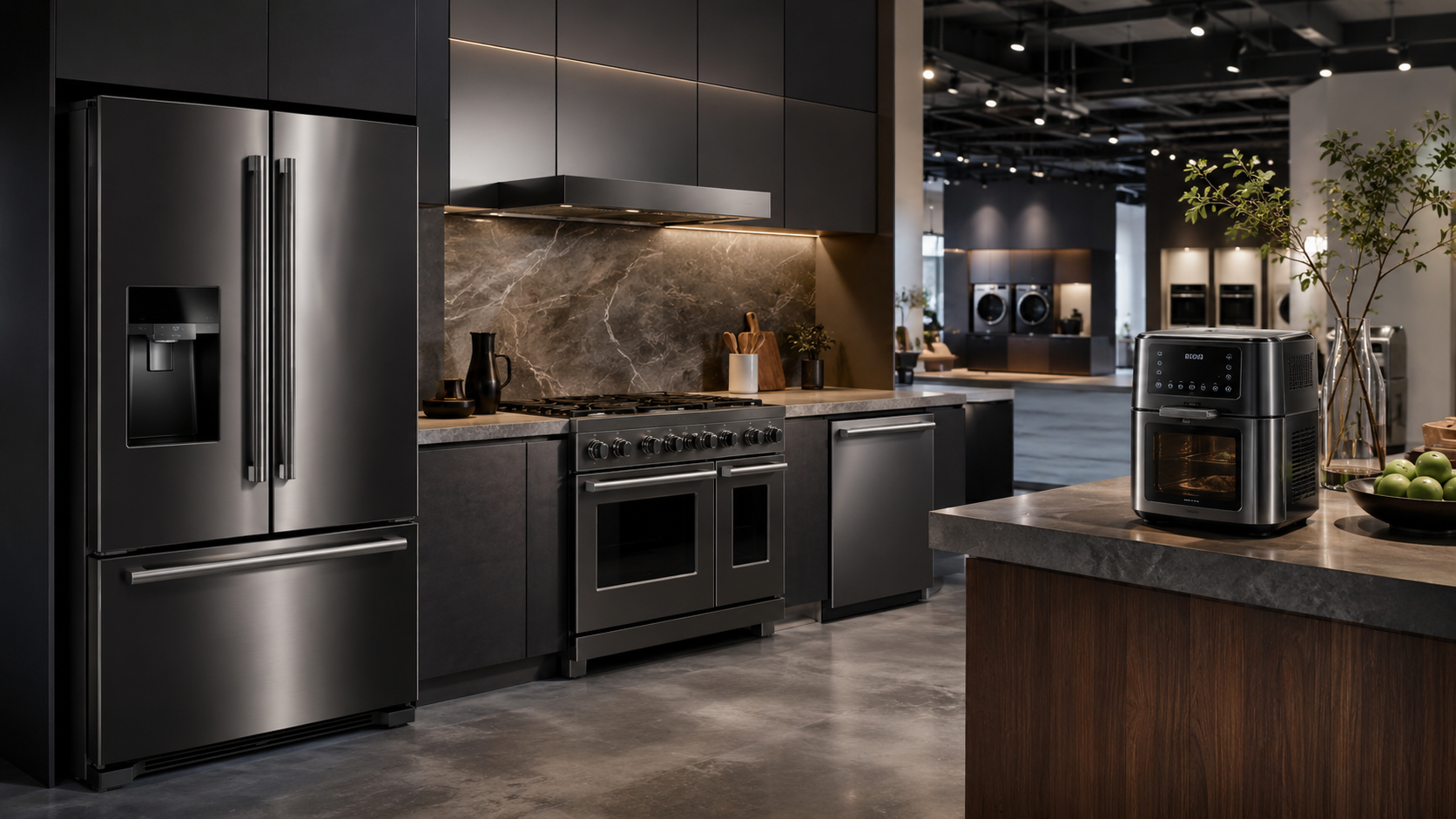
Thanksgiving travel can leave a house unattended for days, which makes a short appliance and home-systems check worth doing before the door is locked. The highest-value steps are less about elaborate smart-home setups than eliminating avoidable fire risks, protecting plumbing from freezing and deciding which equipment actually needs to remain energized.
Federal emergency guidance is especially clear about portable heating equipment. The U.S. Fire Administration, part of FEMA, says portable heaters should be turned off when leaving a room or going to bed and kept at least three feet from anything that can burn. A heater should never be left running simply to protect an empty room while a household is away.
Unplug What Does Not Need to Run
Before leaving, walk through the kitchen, laundry area, bedrooms and garage and identify plug-in equipment that serves no purpose while the home is empty. Countertop cooking appliances, portable heaters, irons and other small heat-producing devices are obvious candidates. Unplugging nonessential equipment also removes the possibility that a device was accidentally left switched on.
Major appliances are different. Refrigerators and freezers normally need to remain powered if they contain food. Water heaters, HVAC equipment, sump pumps and other permanently installed systems may also need to stay in service. The goal is not to shut down the house indiscriminately; it is to leave energized only what the house actually needs.
Keep Enough Heat to Protect Plumbing
In cold-weather regions, turning the thermostat too far down can create a much more expensive problem than the energy it saves. American Red Cross guidance on frozen pipes recommends keeping the thermostat at the same temperature day and night during very cold weather and, when leaving during cold weather, leaving the heat on at no lower than 55 degrees Fahrenheit.
That makes the weather forecast part of the appliance checklist. A furnace or heat pump that is normally reliable still depends on electricity and, in many homes, an internet-connected thermostat. Travelers should make sure the heating system is operating normally before departure and that a trusted person can get inside if an outage or equipment failure occurs.
More Read
Check Alarms and Food Storage
Smoke and carbon-monoxide alarms should be checked before a trip, particularly in homes where fuel-burning heating equipment will continue operating. The U.S. Fire Administration recommends smoke alarms inside and outside sleeping rooms and on every level of a home, and carbon-monoxide alarms should be installed according to the manufacturer’s instructions and local requirements.
For refrigerators and freezers, a long absence is also a good time to discard food already near the end of its usable life. If power fails while nobody is home, the key question becomes how long the appliance stayed warm. Keeping an appliance thermometer in the refrigerator and freezer can make that easier to judge after returning.
Reduce Signs That the House Is Empty
Mail and packages can advertise an extended absence. The U.S. Postal Service’s Hold Mail service can pause eligible mail delivery for three to 30 days. Package deliveries from other carriers need to be handled separately.
Timers or smart lighting can make selected lights operate on a normal schedule, but remote-control features are not a substitute for a physical walkthrough. Check doors, windows and the garage, confirm that cooking appliances are off, verify that water is not running, and make sure the refrigerator doors are fully closed.
One final step is operational rather than technological: give a trusted person a way to enter the home and reach you. A connected thermostat or leak sensor can report a problem from hundreds of miles away, but someone nearby may still be needed to inspect a furnace, shut off water or deal with a refrigerator after an outage.