France is pressing the European Union to impose new sanctions over the cyberattack that manipulated refrigeration controls at about 700 French grocery and food-distribution sites, turning an equipment-security incident into a broader diplomatic confrontation with Iran.
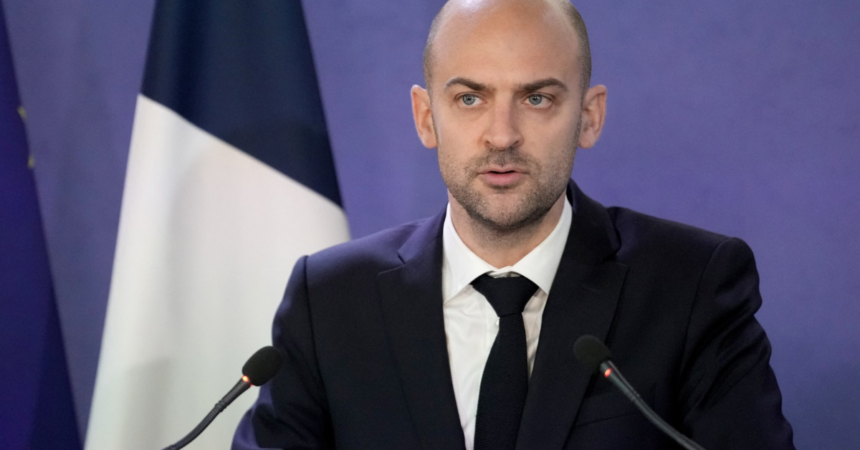
French Foreign Minister Jean-Noël Barrot said Monday in Brussels that France was presenting evidence to EU foreign ministers and seeking sanctions against people and entities it holds responsible. The push follows France’s Nov. 9 attribution of the October attack to Shahid Kaveh, a cyber-offensive unit that French authorities say operates within the Islamic Revolutionary Guard Corps’ electronic and cyber center.
Barrot said he wanted the European measures adopted within a month. The sanctions would be a political response to an attack whose immediate effects were unusually physical: altered defrost settings, spoiled food, equipment damage and fires.
The Attack Moved From Controls to Physical Damage
A joint French cyber-intelligence report said attackers compromised refrigeration controllers overnight Oct. 11-12 and changed equipment defrost parameters to high temperatures. Authorities counted about 700 affected large-retail sites and at least 15 fire starts, along with major merchandise losses.
The report named Casino, Leclerc, Coopérative U, Metro, Carrefour and Intermarché among affected retail groups and said victims also included butcher shops, a slaughterhouse and food-processing facilities. France’s Foreign Ministry estimated food losses in the tens of millions of euros.
Iran has rejected France’s accusation. The attribution is a finding by French authorities, not a court judgment.
More Read
The EU Response Could Extend Beyond France
The European Commission said last week that the EU stood in solidarity with France and was prepared to use its cyber-diplomacy tools, including sanctions. France is now trying to turn that support into specific listings of individuals and organizations.
That distinction matters. The Oct. 11-12 incident was concentrated in France, but subsequent refrigeration disruptions were reported elsewhere in Europe. French authorities have not publicly attributed those later incidents to the same actors.
Appliance News reported the French attribution on Nov. 9. Monday’s sanctions push is the next stage: France is asking other EU governments to accept its evidence and impose consequences collectively.
Refrigeration Security Is Now an Operational Risk
For grocery operators and refrigeration contractors, the episode illustrates a risk that sits between cybersecurity and conventional equipment service. Remote connectivity can make temperature monitoring, alarm management and maintenance easier, but an exposed controller can also provide a path to the physical process itself.
French investigators said the attackers did not merely steal data. They manipulated settings used to control refrigeration. Once the controller becomes the target, network access, passwords, firmware and remote-service configuration become part of the equipment’s reliability and safety profile.
The immediate policy question now moves to Brussels. France is seeking a sanctions decision by the next monthly meeting of EU foreign ministers in December, while the technical lesson from the attack is already clear: internet-connected refrigeration controls can create consequences far beyond an IT outage.