Samsung and LG are pushing AI-connected appliances deeper into residential construction, turning refrigerators, washers, HVAC systems and home robots into part of the apartment blueprint rather than add-ons purchased after move-in.
The shift is playing out most visibly in South Korea, where major electronics companies are working with builders to embed AI home platforms, connected appliances and robotics into new housing projects. The strategy moves appliance makers upstream, closer to developers, architects and apartment operators before consumers ever walk into a finished unit.
Maeil Business Newspaper reported that LG Electronics and GS Engineering & Construction signed a memorandum of understanding to jointly develop a next-generation AI home tied to GS E&C’s Xi apartment brand. The project centers on LG ThinQ ON, LG’s generative AI home hub, linked with apartment infrastructure and connected devices.
Chosun also reported on Korean builders’ shift toward AI and robotics integration, reflecting a broader move to make smart-home systems part of residential development rather than a separate consumer electronics layer.
Appliances Become Building Infrastructure
LG and GS E&C plan to connect home appliances, IoT devices and residential services with the infrastructure of Xi apartment complexes, according to Maeil Business Newspaper. The system is designed to integrate refrigerators, washing machines, lighting, heating, ventilation, outlets and gas valves.
The platform would also extend beyond the kitchen and laundry room. Maeil Business reported that the system is expected to handle elevator calls, parking location checks, visitor history searches and community facility reservations through a single screen and conversational interface.
More Read
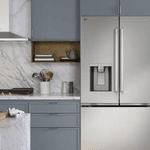
That changes the role of appliances in new housing. Instead of functioning as separate connected products inside a finished home, appliances become nodes in a larger building operating system that can manage energy, access, safety and daily routines.
For appliance manufacturers, that creates a different kind of sale. A builder partnership can lock in appliance platforms across many units at once, while also creating long-term opportunities for service, software updates, energy management and future replacement cycles.
LG Adds Robots to the AI Home Plan
Robotics is also part of LG’s housing strategy. Maeil Business reported that LG and GS E&C are working on residential designs that would allow LG’s CLOiD home robot and autonomous delivery and serving robots to move through apartment spaces and common areas.
The work could include planning for thresholds, elevators and communication networks so robots can operate more reliably within apartment complexes. That is an important distinction: robot-friendly housing requires physical and digital infrastructure, not just the robot itself.
For appliance makers, the combination of appliances, AI hubs and robots points to a broader ambition. The goal is not only to sell connected refrigerators or washers, but to manage parts of the home environment through platforms that learn household patterns and coordinate devices.
Maeil Business reported that these systems could adjust heating, cooling and lighting around residents’ schedules, stagger appliance use during peak electricity demand and detect unusual signs that may signal safety or caregiving concerns.
Samsung Is Building a B2B Smart-Home Channel
Samsung is pursuing a similar builder-facing direction through SmartThings and SmartThings Pro. Samsung describes SmartThings Pro as an AI-powered B2B IoT solution for residential, retail, hospitality and corporate environments, with tools for device integration, building management and energy-saving services.
Samsung’s Korean newsroom previously said its SmartThings Pro-based smart apartment solution had been applied to more than 200,000 residential units across 248 apartment complexes as of July 2024. The system allows residents to control appliances, lighting, heating and cooling, ventilation and other devices, while also managing services such as elevator calls, parking information and package delivery.
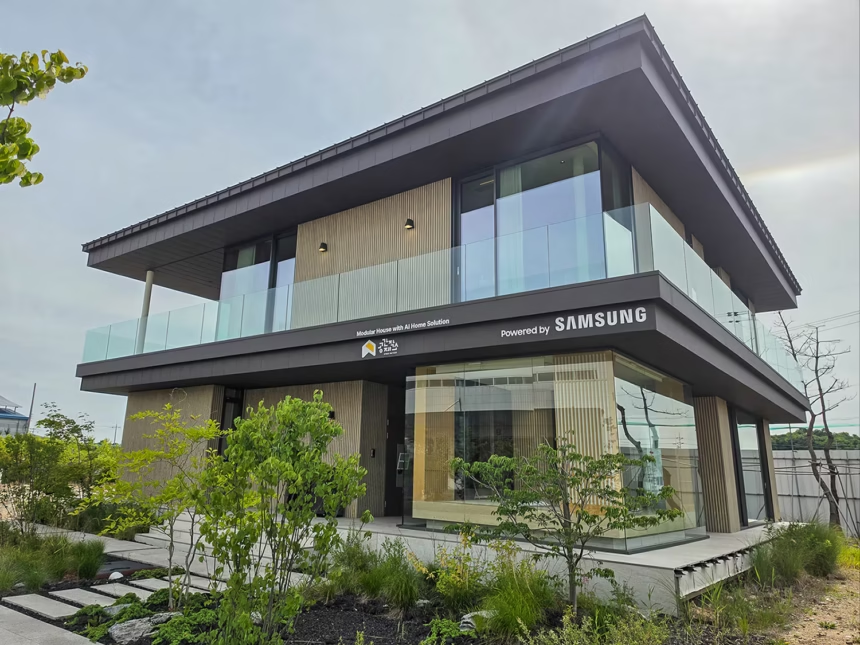
Samsung is also extending the concept into modular housing. In June, Samsung announced an AI modular home partnership with housing specialist Gongsangjejakso, saying buyers could move into homes where AI appliances and SmartThings-based solutions are already installed and registered.
That model is important because it removes friction from smart-home adoption. Instead of asking homeowners to buy appliances, register devices and build automations after move-in, the builder and appliance maker can deliver a home where the system is already configured.
Why Builders Matter to Appliance Makers
Builder partnerships give appliance companies access to demand before it reaches retail. That can be especially valuable when replacement demand is uneven and consumers are cautious about big-ticket purchases.
For developers, AI-connected appliances and building systems can become a differentiator in a competitive housing market. Energy management, security, remote controls, elder-care alerts and convenience services can be marketed as part of the residential experience, not just as individual appliance features.
For retailers and servicers, the shift raises different questions. If more appliances are sold through builders, property developers or B2B packages, the aftermarket may depend more on platform compatibility, authorized service relationships, software support and building-level integration.
It also changes what consumers may expect when they replace an appliance later. A refrigerator or washer in an AI-enabled apartment may need to work with the home platform, building management system, energy controls and service diagnostics already in place.
The Next Smart-Appliance Battlefield
The Korean builder push suggests the next stage of smart appliances may be less about standalone features and more about residential infrastructure. AI refrigerators, washers, HVAC systems and robots are most valuable when they can coordinate with the rest of the home.
That opportunity comes with risks. Privacy, cybersecurity, interoperability and long-term software support become more important when appliances are connected to building services, resident data and access systems.
For Samsung and LG, the strategy is clear: the home appliance is becoming part of a larger smart-living platform. For builders, it is a way to make new housing feel more modern, efficient and service-oriented from day one.
The broader appliance industry should watch whether this model stays concentrated in South Korea or expands further into North America and Europe. If builders become a larger channel for AI appliances, the competitive question may shift from who sells the best appliance to who controls the connected home experience around it.