For years, Midea could look to an American shopper like one more foreign appliance name fighting for a place on a crowded sales floor. That description is becoming obsolete. The Chinese manufacturer is not only filling out a U.S. lineup of refrigerators, ranges, dishwashers and laundry machines; it is preparing to own pieces of the North American factories that make appliances for Electrolux.
The shift gives Midea a route into the American appliance business that goes deeper than importing more products. Through three planned ventures with Electrolux, Midea is set to participate in North American refrigeration strategy, refrigerator production in Mexico and laundry manufacturing in Anderson, South Carolina.
For consumers, the name on the door may still say Midea, Frigidaire or Electrolux. Behind the badge, however, the lines between competitors, suppliers and manufacturing partners are becoming considerably less tidy.
A Global Giant That Is Still Building an American Identity
Midea is hardly a small challenger globally. The company sells appliances and other home products around the world and has built enormous manufacturing scale. Yet in the United States, its own brand still competes for recognition against names such as GE Appliances, Whirlpool, LG, Samsung, Frigidaire and Maytag that have much deeper histories in American kitchens and laundry rooms.
OpenBrand’s Q1 2026 U.S. market measurement illustrates that gap. It put LG at 18.7% unit share, GE at 16.4%, Whirlpool at 14.5% and Samsung at 12.4%. Together, those four accounted for about 62% of measured major-appliance unit share. Midea was not among the four leaders.
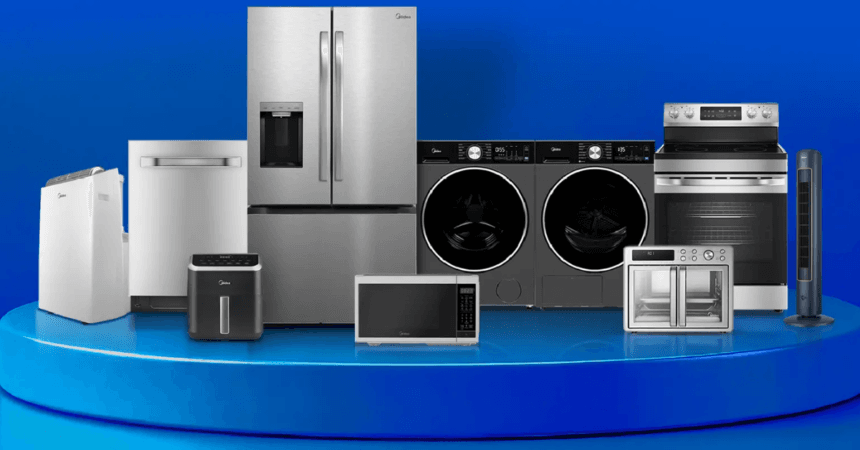
But Midea no longer needs to enter the market one category at a time. Its U.S. product catalog now spans refrigerators, ranges, microwaves, dishwashers, freezers, washers, dryers and washer-dryer combos, in addition to small appliances and other home equipment.
More Read
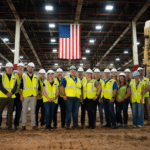
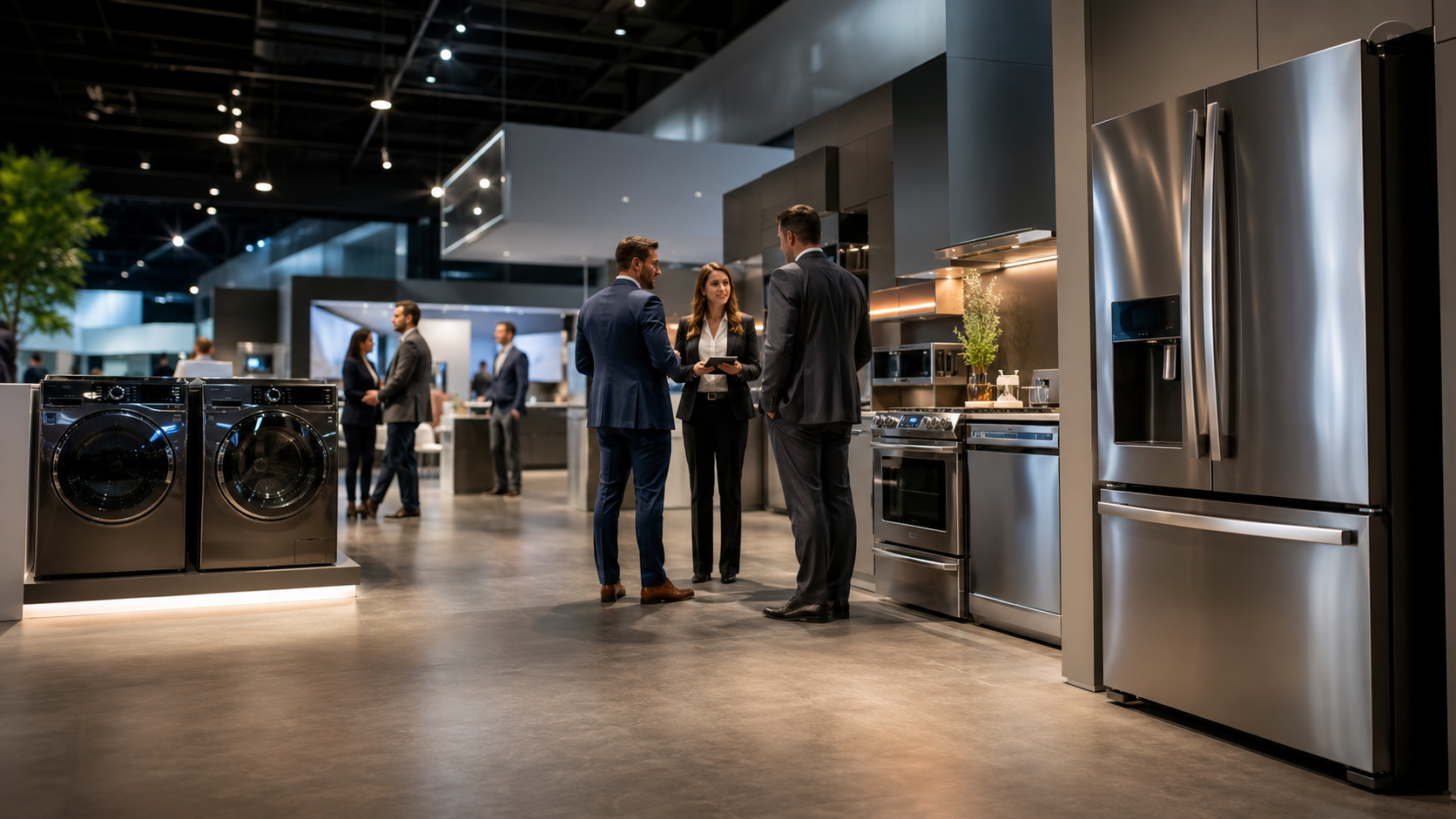
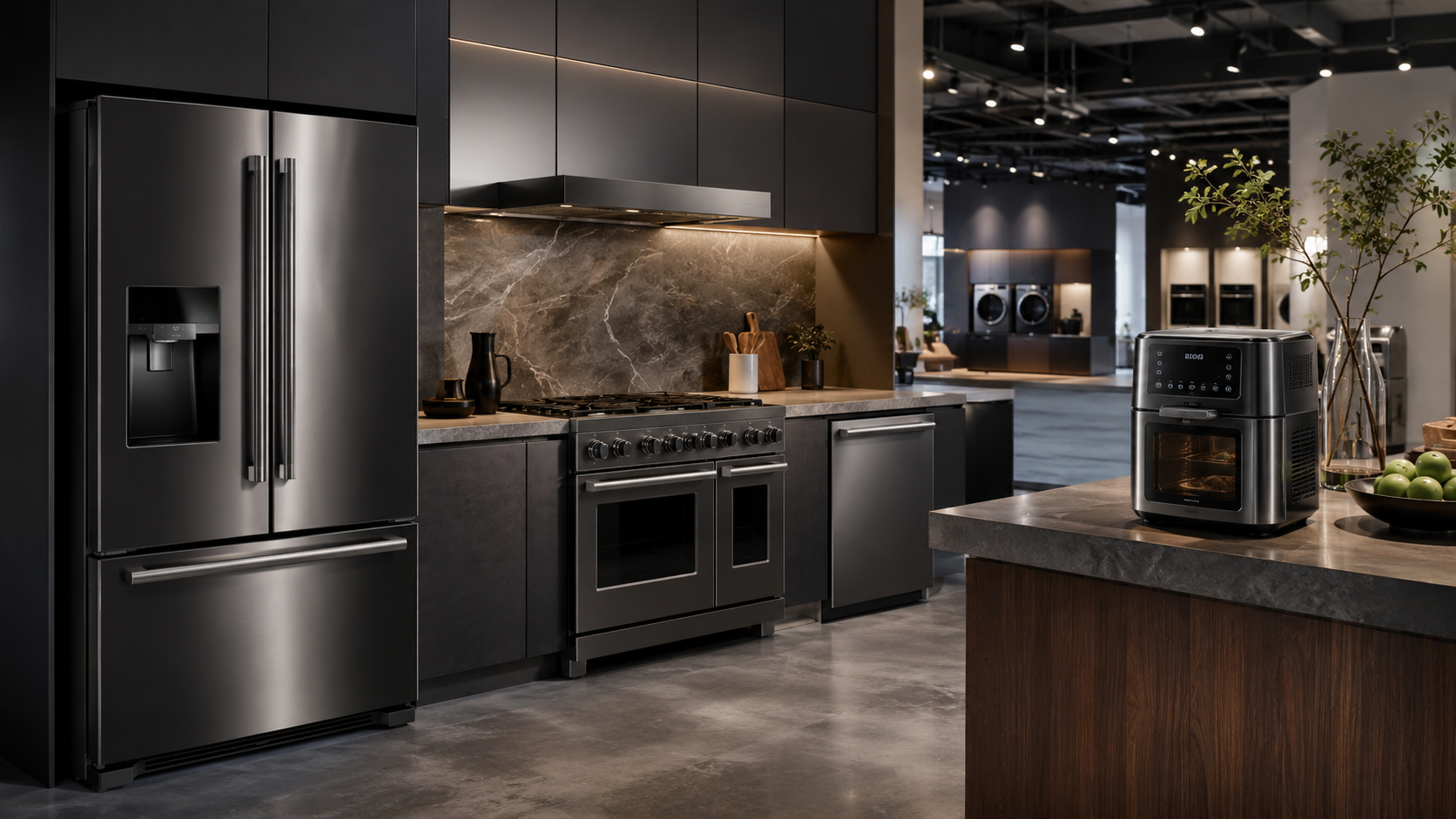
At KBIS 2026, Midea packaged that breadth as a “whole-home” strategy. The phrase is marketing. The business logic is not. A manufacturer with credible kitchen and laundry suites can compete for package sales, builder business and more floor space rather than relying on a single low-price refrigerator or freezer to introduce the brand.
The Electrolux Deal Is the Bigger Move
In April, Electrolux and Midea announced three North American joint ventures. One is a 50-50 sales venture for food-preservation products that will manage product and commercial strategies across the companies’ brands and co-develop refrigeration products.
A second venture changes who owns Electrolux’s refrigerator operation in Juarez, Mexico. Midea is set to own 65% of the entities operating the factory, with Electrolux retaining 35%.
The third is closer to home for U.S. manufacturing. In Anderson, South Carolina, Electrolux plans to convert a former refrigerator operation into a laundry factory. Electrolux would own 55% of that venture and Midea 45%, with fabric-care production expected to begin in the first half of 2027.
Appliance News reported in August that European regulators cleared the Electrolux-Midea ventures, removing one regulatory hurdle. The companies still have execution work ahead before the new structure becomes visible in products rolling off factory lines.
Why Electrolux Wants Midea
Electrolux has been unusually clear about the economics. The Swedish company says the partnership should improve cost competitiveness, product offerings and manufacturing flexibility and expects about 600 million Swedish kronor in annual cost-efficiency improvements by the third year.
The partnership also builds on a long supplier relationship. Electrolux says it has sourced products from Midea for more than 20 years. What changes now is the depth of the connection: Midea is moving from supplier to co-owner, co-developer and manufacturing partner in operations central to Electrolux’s North American business.
That comes as Electrolux has been restructuring in North America. Appliance News has followed the consequences in South Carolina, including the closure of supplier Ilpea’s Anderson plant and earlier changes at Electrolux’s own operations. The Midea venture gives the Anderson site a new role in laundry rather than refrigeration.
Why Midea Wants Electrolux
For Midea, the benefits are different. Building a recognizable consumer brand in the United States takes years of advertising, retail placement and service support. A manufacturing partnership can create scale and market knowledge faster, even when the finished appliance is sold under someone else’s name.
It also puts Midea closer to the North American supply chain at a time when tariffs and trade policy have made manufacturing geography more important. A refrigerator made in Mexico or a laundry product made in South Carolina has a different cost and tariff exposure from a finished appliance imported directly from China.
That does not make the arrangement immune to trade costs; components and materials can cross borders multiple times. But it gives Midea more options than a strategy built entirely around exporting finished machines from Asia.
The U.S. Battle Still Happens on the Sales Floor
Manufacturing scale does not guarantee consumer preference. OpenBrand’s first-quarter data say 75.4% of measured major-appliance purchases still occurred in stores, and Lowe’s alone held 42% unit share among the retailers in its dataset.
That makes distribution, displays and salesperson familiarity unusually important. A shopper standing in front of six nearly identical stainless-steel refrigerators may know Whirlpool or GE before entering the store. Midea still has to earn that recognition — or offer enough value, features or price advantage to overcome its absence.
Service is the less visible half of the same problem. A broader installed base means more warranty calls, more parts demand and more technicians encountering the brand. Midea’s U.S. support operation includes product registration, repair requests, service-location tools and parts, but the real test is how those systems perform as sales grow.
What Success Would Look Like
There is not yet evidence that Midea is displacing the largest U.S. appliance brands. The market-share numbers do not support that conclusion. What has changed is the number of ways Midea can compete.
It can sell a Midea-branded kitchen or laundry suite directly to an American household. It can participate in product development with Electrolux. It can own a majority of a Mexican refrigerator operation and a minority of a South Carolina laundry factory. And it can benefit from scale even when consumers never see the Midea name.
That makes the next phase of Midea’s U.S. expansion less about whether Americans learn to pronounce another appliance brand and more about something structural: how much of the appliance behind familiar American and European badges is designed, financed or manufactured through a Chinese partner.