Samsung Electronics America was named the most-awarded appliance brand in the J.D. Power 2026 U.S. Appliance Satisfaction Study, ranking highest in customer satisfaction across six major appliance categories.
The recognition gives Samsung a consumer-satisfaction win at a time when appliance shoppers are paying more, comparing brands more closely and weighing reliability, features and long-term value before replacing major household products.
According to Samsung’s July 28 announcement, the company ranked highest in French door refrigerators, side-by-side refrigerators, top-mount freezer refrigerators, dishwashers, over-the-range microwaves and clothes dryers.
The J.D. Power study was based on 28,411 evaluations from customers who purchased home appliances during the previous 12 months. It was fielded from April 2025 through April 2026.
Where Samsung Ranked Highest
Samsung’s strongest showing came in refrigeration and laundry. J.D. Power ranked Samsung highest in customer satisfaction for French door refrigerators, side-by-side refrigerators, top-mount freezer refrigerators and clothes dryers.
The company also ranked highest in over-the-range microwaves and tied with KitchenAid for the top dishwasher score. J.D. Power’s segment rankings put Samsung ahead of LG in French door refrigerators, side-by-side refrigerators and dryers, while LG ranked highest in ranges, wall ovens and top-load washers.
More Read
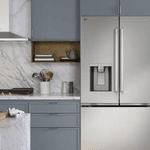
Samsung said its top-mount freezer refrigerators ranked highest in all seven dimensions measured in the study: durability, performance, features and settings, ease of use, styling and appearance, value given price paid and level of trust. Samsung also said its clothes dryers received top marks across all seven dimensions.
Satisfaction Rose Even as Appliance Prices Increased
The broader J.D. Power findings show that customers are not only reacting to brand names. They are judging whether higher appliance prices are matched by better performance, fewer problems and smoother purchase experiences.
J.D. Power said the average price paid for appliances increased by $54 to $910. Even with that increase, overall appliance product satisfaction rose six points year over year to 705 on a 1,000-point scale.
The firm attributed the improvement partly to stronger durability scores and better retailer experiences. Overall satisfaction with appliance retailers rose 23 points to 706, and 87% of customers reported a problem-free appliance retailer shopping experience.
That matters for manufacturers and dealers because satisfaction increasingly depends on the full ownership path: product availability, delivery, installation, durability and post-sale confidence. A high-scoring product can still lose value in the customer’s mind if the purchase or service experience disappoints.
Why the Results Matter for Appliance Retailers
For retailers, the rankings offer a useful sales-floor data point, especially in categories where shoppers often ask about reliability and owner satisfaction. Refrigerators, dishwashers and laundry products are high-consideration purchases, and third-party satisfaction scores can influence how buyers compare models across brands.
For Samsung, the results support its broader appliance strategy as it continues to market connected features, AI-assisted functions and design-led product families. But the study also shows that technology alone is not the measure of customer satisfaction. Durability, ease of use, value and trust are part of the same scorecard.
The competitive takeaway is broader than one brand. Whirlpool, LG, KitchenAid, Maytag and Best Buy also ranked highest in at least one product or retail segment, underscoring how fragmented appliance satisfaction remains by category.
Samsung’s six-category performance gives the company a strong marketing point heading into the second half of 2026. For appliance dealers and service providers, the more practical question is whether satisfaction scores translate into fewer callbacks, stronger repeat purchases and more confidence from customers replacing major appliances in a higher-price market.