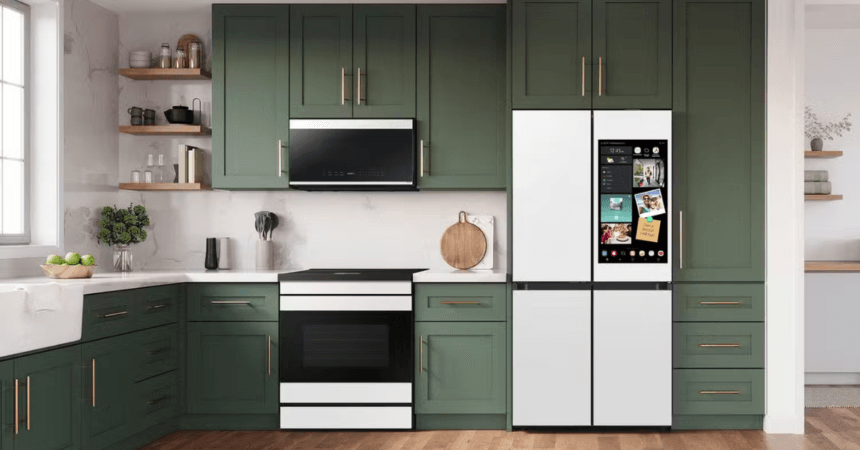
Samsung Electronics and LG Electronics are pushing appliance subscriptions, bundled maintenance and electricity-saving programs in South Korea as manufacturers look for ways to lower the upfront cost of replacing expensive appliances and build a longer relationship with customers after the sale.
The shift is more consequential than a new financing offer. It changes the appliance transaction from a one-time purchase into a multi-year package that can combine the product, payments, repair, cleaning and filter service — while giving manufacturers a recurring revenue stream and more opportunities to keep customers inside their connected-home ecosystems.
Subscriptions Spread to Refrigerators, Laundry and TVs
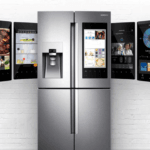
According to reporting supplied to Appliance News from Chosun Ilbo, Samsung’s AI Subscription Club covers products including televisions, refrigerators and washing machines, with some payment plans extending as long as 72 months. LG has also made subscriptions a major business line across refrigerators, laundry equipment, water purifiers and other products.
For consumers, the immediate appeal is cash flow: a household can avoid paying several million won upfront for a premium appliance. The harder comparison is total cost. A low monthly figure can make a product feel less expensive even when the contract runs for years, so buyers need to compare the full amount paid, included service, ownership terms and cancellation conditions rather than monthly price alone.
Electricity Savings Become Part of the Package
The Korean manufacturers are also tying connected appliances to electricity-cost incentives. The Chosun report says Samsung and LG have worked with Korea Electric Power Corp. on a pilot Smart Home Appliance Cashback program that rewards customers for shifting operation of participating washers, dryers, dishwashers and other appliances into lower-demand periods.
That is an important evolution in the smart-appliance pitch. Connectivity has often been sold around remote control and notifications. A utility-linked program gives the connection a direct financial purpose: scheduling a dishwasher or laundry load when electricity demand is lower can turn software into a measurable household benefit.
More Read
Service Can Become a Retention Tool
Samsung and LG are also bundling services such as repair, cleaning and filter replacement with subscription offerings, according to the report. That can make ownership more predictable for consumers, but it also changes the competitive landscape for retailers and independent service companies.
A manufacturer that controls the payment relationship, connected-app account and maintenance plan has more touchpoints with the owner than a brand that simply ships an appliance to a dealer. Retailers may have to decide whether to participate in those recurring-service models, compete with them through their own protection and service plans, or emphasize independent local support.
The Korean Model Is Not Yet a U.S. Template
The programs described are centered on South Korea, so they should not be read as announcements of equivalent U.S. subscription terms. Appliance financing, utility rate structures, service networks and consumer expectations differ by market.
But the strategic question travels well. As replacement cycles lengthen and premium appliances become more expensive, manufacturers have an incentive to compete on the cost of using and maintaining a product — not just the price printed on the showroom tag. If subscriptions continue expanding, the next appliance comparison may increasingly be between ownership packages rather than machines alone.