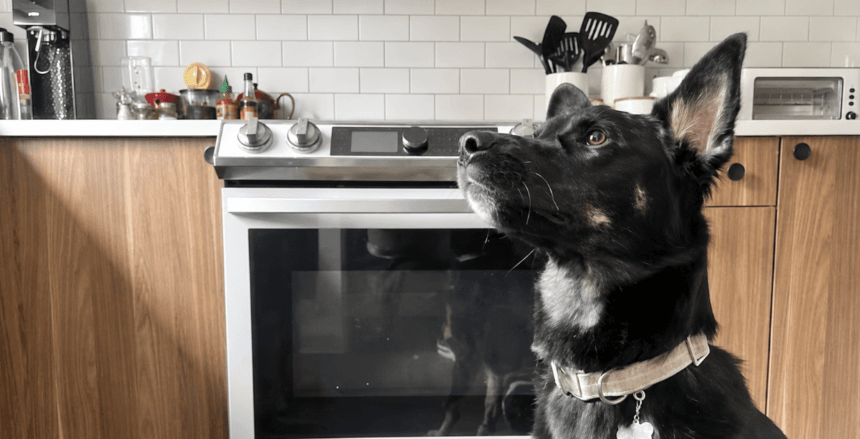
A new lawsuit against Whirlpool alleges that the knobs on a Maytag gas range could be activated too easily, allowing a household pet to turn on a burner before a fire damaged a Pennsylvania home.
The complaint, filed by homeowner Barbara Hartzell, claims a defective knob design allowed one of the range’s burners to turn on accidentally while she was away from the home, according to AboutLawsuits.com. The report says Hartzell alleges her cat activated a burner knob, igniting a box that had been left on top of the stove and causing a house fire.
The allegations have not been proven in court. Whirlpool, which owns the Maytag brand, had not been found liable in the case based on the reporting available at publication time.
The case adds another data point to a broader appliance-safety debate over front-mounted range controls, pet contact and accidental activation risks in home kitchens.
What the Lawsuit Alleges
According to the AboutLawsuits report, Hartzell says her Maytag range contained knobs that could be turned on with little resistance. The lawsuit alleges Whirlpool knew or should have known that the design created a risk that burners could be activated unintentionally by people, children, pets or household objects.
The report says the fire occurred after a burner allegedly turned on while a cardboard box was sitting on the cooktop. The lawsuit claims the fire caused property damage and that the range should have included safer controls or warnings about accidental activation.
More Read
Because this is litigation, the central facts remain disputed. ApplianceNews.org is describing the claims as allegations and not as established findings about the product, the manufacturer or the cause of the fire.
Range-Knob Safety Is Already Under Review
The lawsuit arrives as range-knob safety is receiving closer attention from regulators and standards participants. The U.S. Consumer Product Safety Commission’s public calendar lists a July 30 meeting of the Independent Accidental Range Activation Working Group to discuss potential new requirements addressing accidental range activation.
CPSC’s listing describes the meeting as a voluntary standards meeting and says agency staff will participate. The working group’s focus is broader than any one brand or lawsuit, covering accidental activation concerns involving gas and electric ranges.
Recent recall activity shows why the issue matters. Earlier this month, CPSC announced a recall of about 3,820 Insignia front-control gas ranges because the front-mounted knobs could be activated accidentally by humans or pets, posing a serious fire hazard. That recall involved Best Buy’s Insignia brand, not Maytag or Whirlpool, but it illustrates the same safety concern now appearing in multiple contexts.
Why the Claim Matters for Appliance Makers
Range knobs appear simple, but they sit at the intersection of safety, usability and appliance design. A knob that is too easy to turn may create accidental activation risk, while a knob that is too difficult to operate may create accessibility problems for older users or people with limited hand strength.
That makes the design question more complicated than simply making controls harder to move. Manufacturers, standards groups and safety officials may need to consider knob force, push-and-turn requirements, lockout features, knob covers, warning labels and the placement of controls on front-control ranges.
For appliance manufacturers, litigation over accidental activation can also affect product development and risk management. Even when claims are disputed, lawsuits can draw attention to user-interface decisions that may later become part of voluntary standards, recalls or consumer-safety guidance.
What Consumers Should Take From the Case
The lawsuit is not a recall notice and does not mean all Maytag or Whirlpool ranges have been found defective. Consumers should check official recall databases and manufacturer notices for information about specific models.
Still, the safety lesson is practical. CPSC’s Insignia recall guidance advises consumers to keep children and pets away from range knobs, check that knobs are off before leaving home or going to bed, and avoid leaving objects on the range when it is not in use.
For retailers and servicers, the case is another reminder that range-control questions may become more common from customers, especially those with children, pets or front-control gas ranges. Clear guidance on model-specific recalls, available knob covers and built-in lockout features can help customers understand the difference between a general safety concern and a product-specific remedy.
The broader industry question is whether accidental-activation claims will remain a series of isolated disputes or lead to more consistent control-design expectations across gas and electric ranges.