WASHINGTON, April 26, 2026 — A new wave of smart kitchen appliances is reshaping consumer expectations, as manufacturers accelerate integration of artificial intelligence and energy-efficient technologies across core product lines.
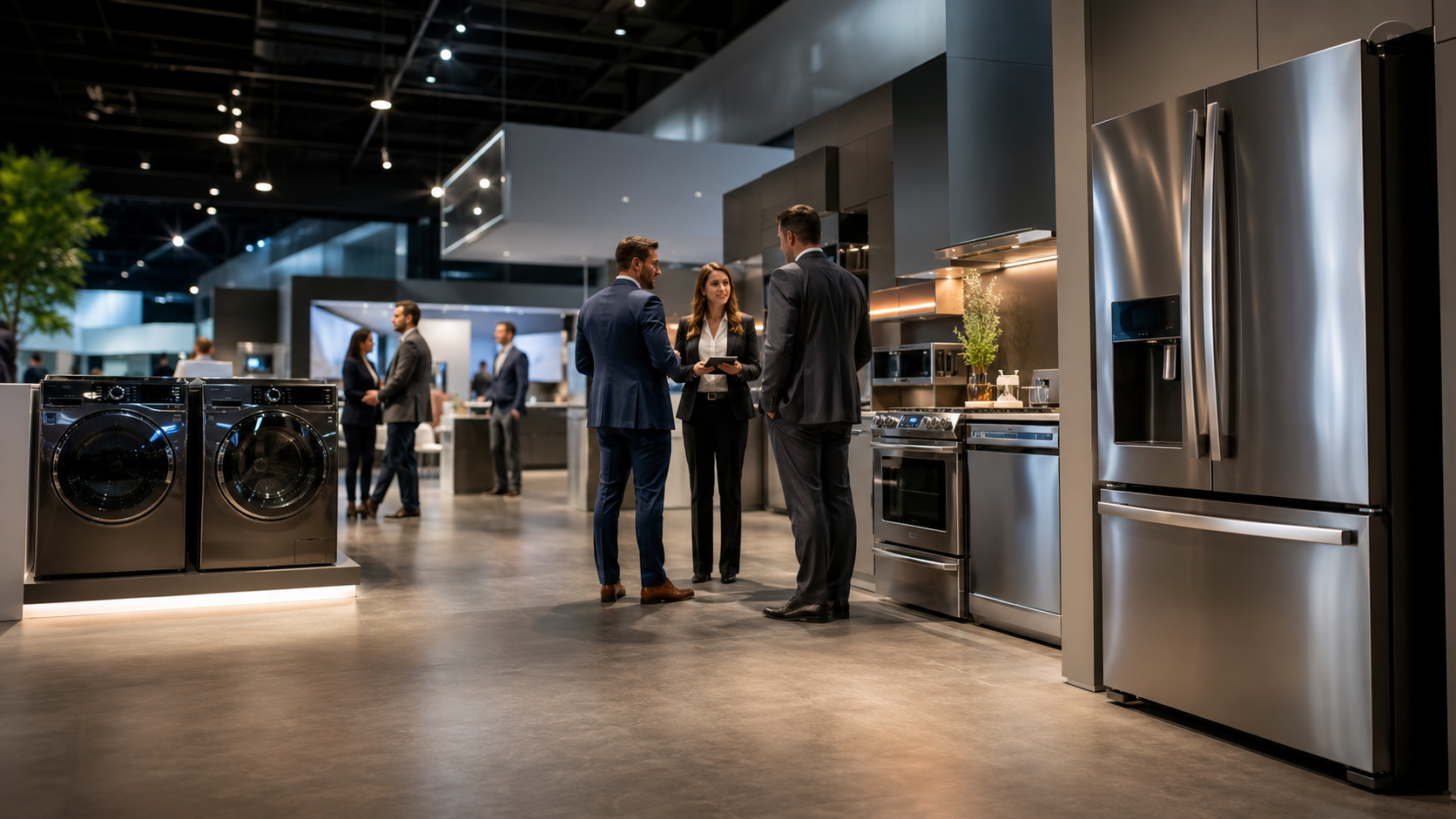
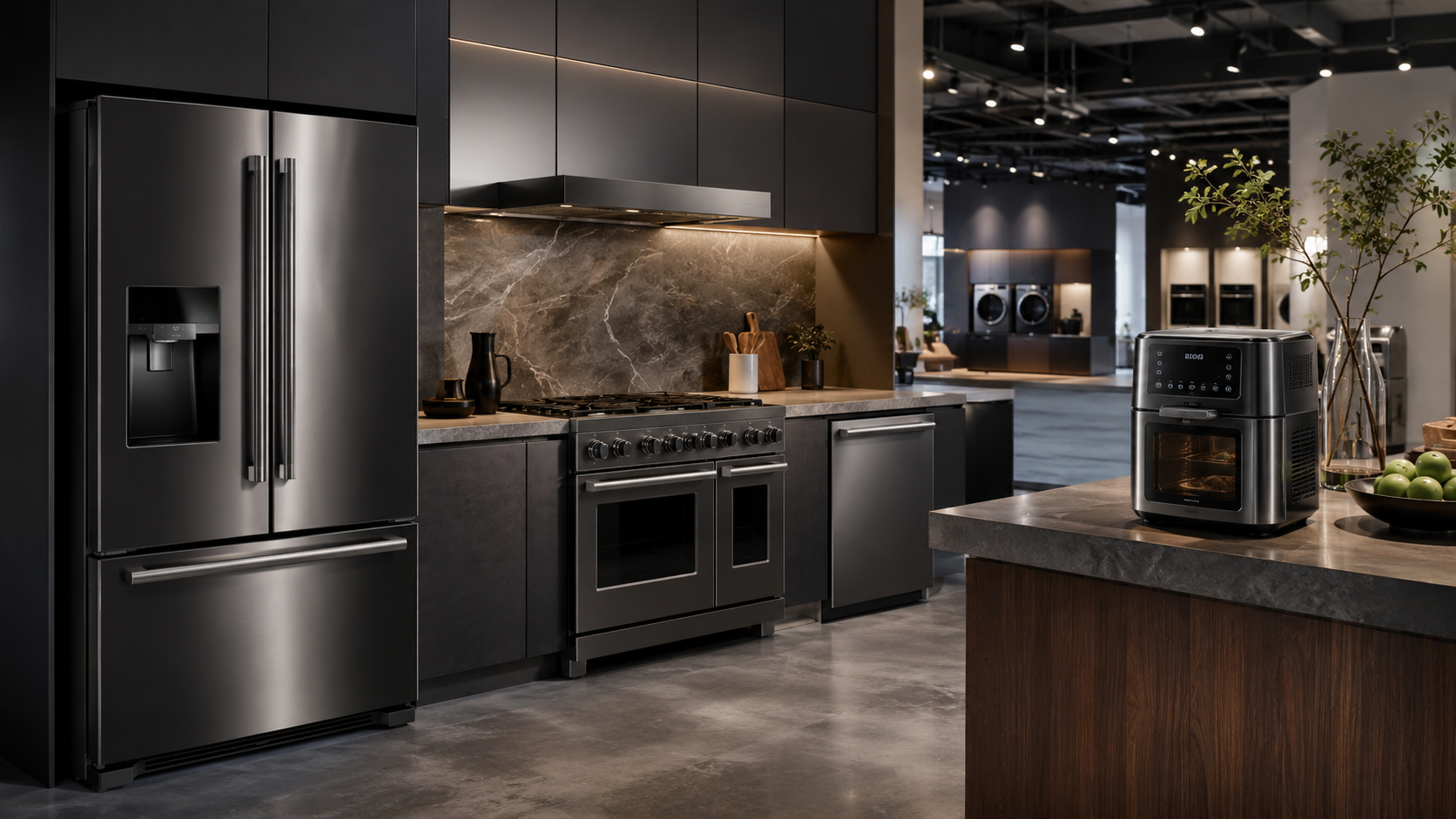
Industry leaders report increased demand for connected refrigerators, ovens, and dishwashers that can automate routine tasks, monitor usage patterns, and reduce energy consumption. The shift reflects broader trends in home automation and sustainability.
Manufacturers are prioritizing features such as predictive maintenance alerts, voice control compatibility, and remote diagnostics. Analysts say these capabilities not only improve convenience but also extend product lifespan and reduce service costs.
“Consumers are no longer just buying appliances—they’re investing in connected ecosystems that deliver efficiency and long-term value,” said a senior industry analyst.
Energy Efficiency Drives Innovation
Energy efficiency remains a central focus for appliance makers amid tightening federal and state regulations. New models are increasingly designed to meet or exceed updated energy standards, with some incorporating adaptive learning systems that optimize power usage based on user behavior.
Retailers are also highlighting energy performance as a key selling point, particularly as utility costs rise. Smart appliances that provide real-time consumption data are gaining traction among environmentally conscious buyers.
- AI-driven cooking assistance in smart ovens
- Advanced cooling systems in next-generation refrigerators
- Water-saving technologies in dishwashers
- Remote diagnostics for predictive maintenance
Supply Chain Pressures Persist
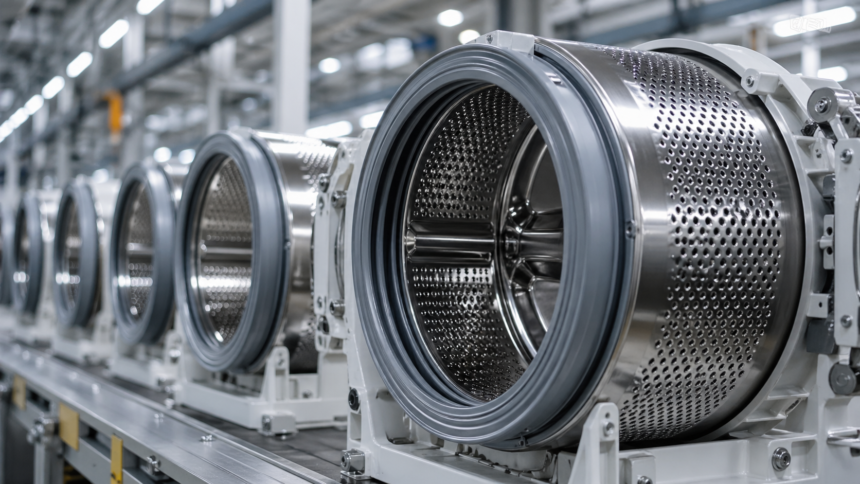
Despite innovation gains, manufacturers continue to navigate supply chain challenges, including component shortages and fluctuating logistics costs. Industry stakeholders report gradual stabilization, though lead times for certain high-end models remain extended.
More Read
OEMs are diversifying supplier networks and increasing domestic production capacity to mitigate future disruptions. These shifts are expected to influence pricing strategies and product availability throughout 2026.
Outlook for the Appliance Market
Looking ahead, analysts anticipate continued growth in the smart appliance segment, driven by advancements in AI, connectivity, and energy management. The convergence of these technologies is expected to redefine how consumers interact with everyday household devices.
As competition intensifies, manufacturers that can balance innovation, affordability, and supply chain resilience are likely to gain market share in an increasingly connected home landscape.