Amazon’s Prime Big Deal Days sale can make refrigerator water filters look like an easy stock-up item. The harder question is whether the filter is genuine, certified and made for the refrigerator it is going into.
Amazon said its Oct. 6-7 shopping event includes home and kitchen deals, while many refrigerator brands and third-party sellers use major sales events to promote replacement filters. For owners, the wrong bargain can carry more risk than a shorter filter life.
Why Authentic Filters Matter
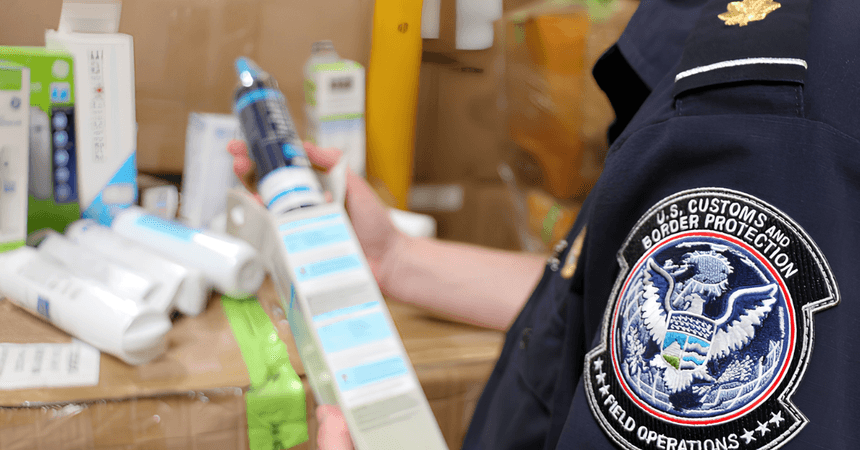
Whirlpool’s product-help guidance warns consumers to avoid counterfeit refrigerator filters, saying non-genuine filters can be poorly constructed, may not fit correctly and can create water-quality or leak problems. GE Appliances’ support guidance similarly says counterfeit filters may not meet the same filtration standards and can leak or damage a refrigerator’s filtration system.
The most practical risk is simple: a refrigerator water filter is both a filtration part and a pressurized plumbing connection. If the fit is off, the filter housing, line or connection can leak. If the filtration claim is false, the owner may be paying for contaminant reduction the product does not actually provide.
Check the Certification, Not Just the Price
Consumers should start with the refrigerator’s model number and the filter number printed in the owner’s manual or on the existing filter. The next step is to verify the claimed certification. NSF maintains a certified drinking-water treatment product database that lets shoppers search listed products and manufacturers.
A listing that says “compatible with” a brand is not the same as a filter made or authorized by that brand. Shoppers should be especially careful with listings that use brand names heavily but avoid showing the actual manufacturer, certification standard or filter model number.
More Read
Water Damage Is a Separate Problem
A leaking filter can also raise an insurance issue. Travelers says damage from a refrigerator leak may be covered depending on the policy, limits and deductible, but the refrigerator repair or replacement itself generally is not. Allstate’s water-damage guidance draws a similar line between sudden accidental damage and problems tied to neglect or maintenance.
That does not mean every non-OEM filter voids insurance coverage. It does mean owners should not assume a cheap filter is low-risk. If a poorly fitting or counterfeit part leaks slowly under a refrigerator, the floor and cabinet damage can cost far more than the filter savings.
A Safer Shopping Checklist
- Match the filter number to the refrigerator manual or manufacturer lookup tool.
- Buy from the manufacturer, an authorized retailer or a seller that clearly identifies the source.
- Verify NSF or other certification claims in the certifier’s database.
- Inspect the first installation for drips and check again after the dispenser has been used.
The best deal is not the lowest-priced cartridge. It is the filter that fits correctly, carries a verifiable certification and does not turn routine maintenance into a water-damage claim.