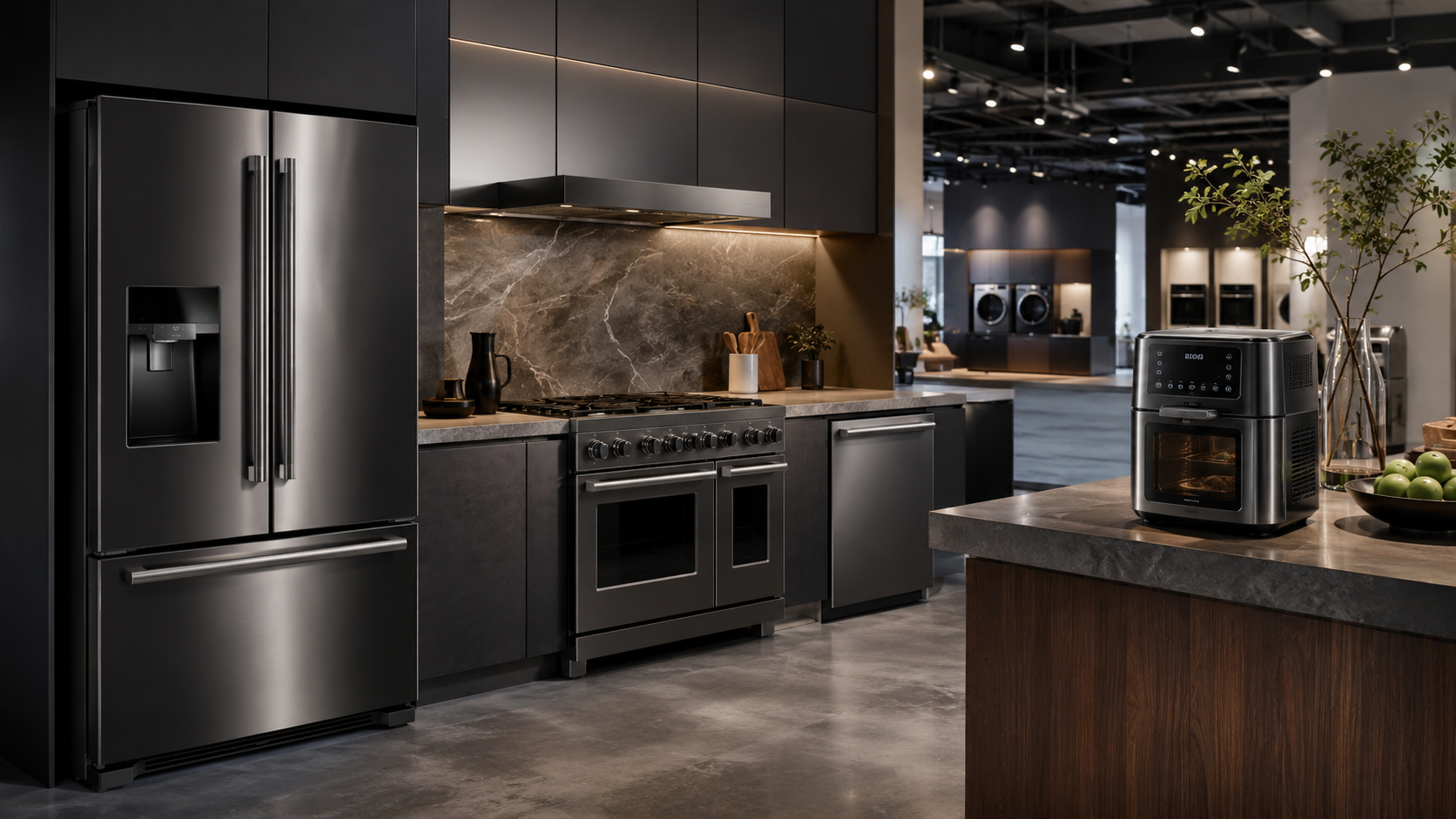
ELGIN, Ill., Feb. 2, 2026 — The Middleby Corporation has completed the sale of a 51% stake in its residential kitchen business to an affiliate of 26North Partners LP, marking a significant step in the company’s strategic shift toward becoming a pure-play commercial foodservice equipment provider.
The transaction delivers approximately $540 million in cash proceeds to Middleby, alongside a $135 million seller note tied to the newly formed joint venture. Following the deal, Middleby retains a 49% non-controlling interest in the residential kitchen segment.
Company executives said the move is part of a broader portfolio transformation strategy aimed at improving growth, margins and operational focus.
Shift to commercial foodservice focus
Middleby CEO Tim FitzGerald described the transaction as a foundational step in repositioning the company around its commercial foodservice operations, which include equipment and solutions for restaurants and institutional kitchens.
“The completion of this transaction is the first step in Middleby’s transformation into a pure-play commercial foodservice equipment company,” FitzGerald said.
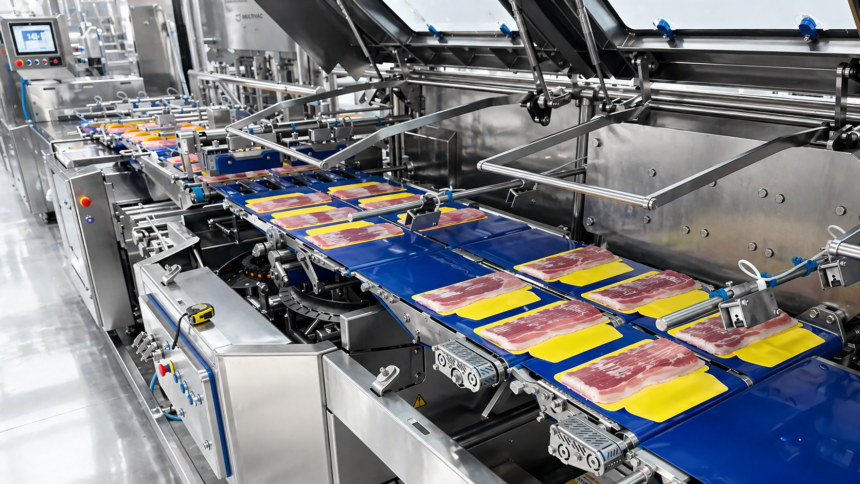
The company is also preparing to spin off its food processing business into a separate publicly traded entity, further narrowing its strategic focus. Once completed, Middleby will concentrate exclusively on commercial foodservice technologies, including automation, IoT-enabled systems and energy-efficient kitchen solutions.

Capital allocation and shareholder returns
Proceeds from the transaction are expected to support share repurchases and capital structure optimization. Middleby has already returned approximately $720 million to shareholders in 2025, including $218 million in stock buybacks during the fourth quarter.
More Read

Additional repurchases totaling $152 million were completed in January 2026, contributing to a roughly 9% reduction in shares outstanding over the past year.
The company said it will report the residential kitchen business as a discontinued operation beginning in late 2025, with earnings from the joint venture accounted for as minority interest.
Strategic implications for appliance sector
The divestiture reflects a broader trend among diversified manufacturers reevaluating portfolio composition to focus on higher-margin, technology-driven segments. In Middleby’s case, the commercial foodservice division is positioned to benefit from several industry tailwinds.
- Growing demand for automation in commercial kitchens
- Expansion of IoT-enabled appliance ecosystems
- Labor cost pressures driving efficiency-focused investments
- New market opportunities in beverage and ice equipment
Meanwhile, the residential kitchen business will operate as a standalone joint venture backed by 26North, an investment firm with more than $32 billion in assets under management.
Middleby said additional details on financial reporting and operational impacts will be disclosed in upcoming earnings releases.
Follow-up: Appliance News has updated coverage of how Viking, AGA, U-Line and the other residential brands now operate under Composition Brands, including the dealer and service resources established after the transaction and Middleby’s completed Midera spin-off.